Article: Does Thread Count? The Truth By William Woods
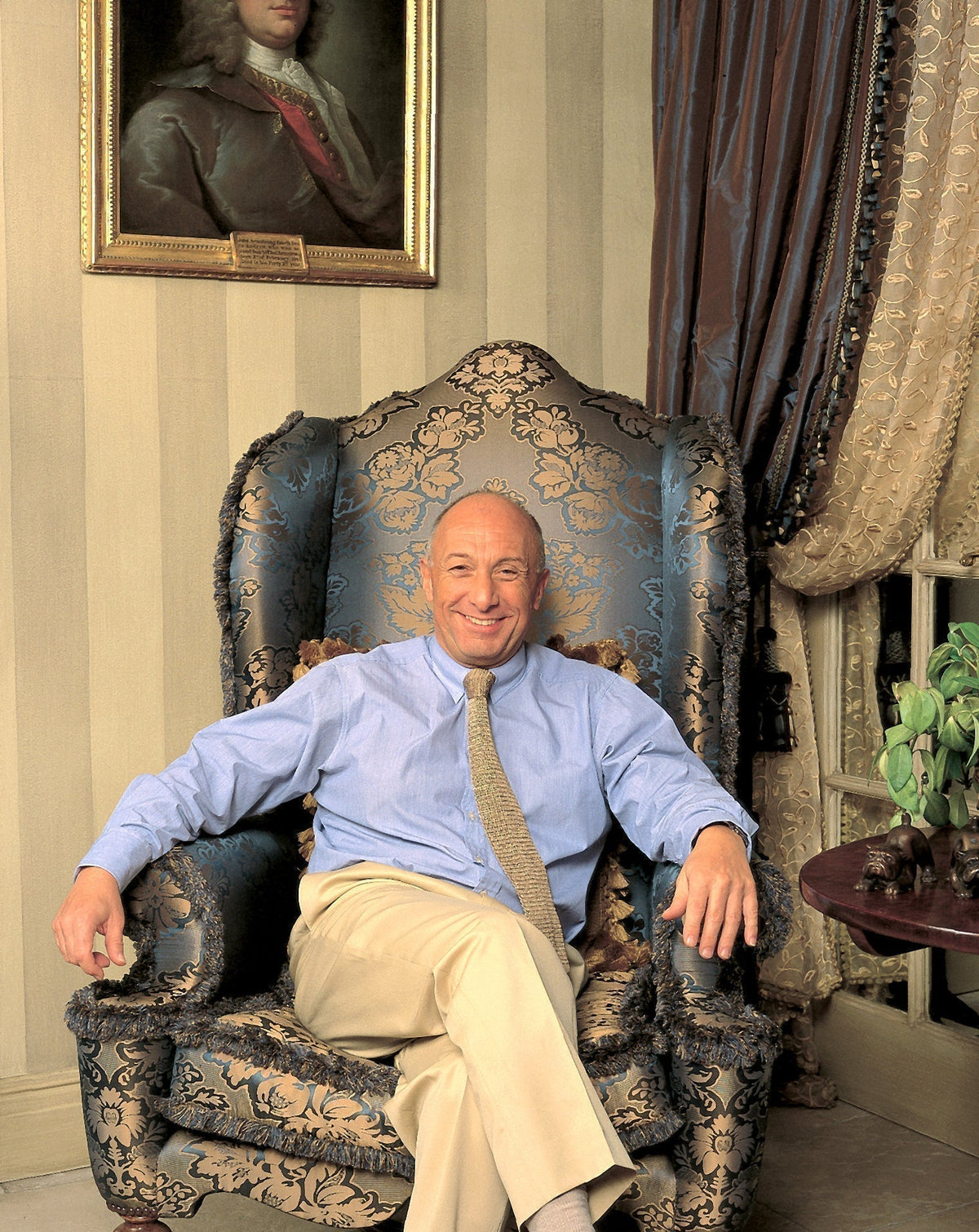
Does Thread Count? The Truth By William Woods
Thread count is the number of threads woven into a square inch of cloth, but it is not a reliable measure of quality. Some manufacturers inflate the figure by twisting two or more yarns together and counting each strand separately, creating a higher manufactured count without necessarily improving the fabric. The quality of the cotton and the weave matter more.
What should you know about thread count?
- Thread count is the number of threads woven into one square inch of cloth.
- Some manufacturers inflate the figure by twisting yarns and counting each strand.
- The Woods family has been associated with fine linen since 1733.
- Egyptian cotton is not in itself a guarantee of quality, because there is good Egyptian cotton and poor Egyptian cotton.
- Percale is a crisp weave, typically 180 threads per square inch or above. Sateen is a silkier weave. Neither is better than the other.
- The things that actually make a good sheet are the grade of the cotton, the weave, and how the cloth is finished.
Why should you take our word for it?
I am Jonathan Woods. The man in these videos is my father, William.
"I used to actually work in linen mills in Northern Ireland for about six years. And we used to be linen weavers, of course, in the late 19th century. So I like to think we know a little bit what we're talking about."
Our family has been associated with fine linen since 1733. The Harrogate shop has traded since 1895.
Why does thread count upset him so much?
Because the number has become the whole conversation, and it is the least useful thing on the label.
"...somebody the other day said there was a thread count of 1,600 threads per square inch, which is just baloney. It really is baloney."
Sixteen hundred threads in one square inch of cloth is not a sheet. It is arithmetic.
How exactly do manufacturers inflate the number?
By twisting yarns together and then counting the strands rather than the threads.
"So it's companies cheat, manufacturers cheat, and have different ply yarns together to make the thread count greater than it actually is. And if you didn't have two ply yarns, two threads put together, it would just break. So it's not genuine. It's not a genuine thread count. It's a manufactured thread count."
Is Egyptian cotton worth paying for?
Sometimes. It is a description of origin, not a grade.
"So even choosing Egyptian cotton isn't necessarily a measure of a good quality sheet. But you actually find good quality Egyptian cotton, poor quality Egyptian cotton, but do ask for good quality Egyptian cotton sheeting."
Long staple Egyptian cotton, well spun and well finished, makes superb bed linen. The words on the packaging do not tell you which sort you have. Ask what grade it is, and who finished it.
Percale or sateen, which should you choose?
Whichever feels right to you. They are weaves, not qualities.
"...percale, which has a nice crisp feel to it, which is basically a thread count of 180 threads per square inch or over, has a lovely feel, and that's my personal choice."
Percale is a plain weave. It feels cool and crisp, and it is the hotel sheet feel. Sateen has more yarn on the surface, so it feels silkier and looks slightly lustrous. As for which sells better:
"Otherwise, you might choose cotton sateen. You can still have Egyptian cotton sateen. But that tends to be a much silkier feel to the sheet which many people prefer. We sell an equal number of both."
So what should you actually look for?
The cotton first, then the weave, then the finish. The number on the packet tells you almost nothing on its own.
Ask instead: what grade of cotton is this, how is it woven, and how has it been finished. Those three answers will tell you more than any figure on the front of the packet.
And if you take nothing else from this:
"I beg of you, please, please, do not be sucked into thread counts."
Where should you start?
Our Egyptian cotton bed linen is a good place to begin, and the full range is in bed linen. If you are choosing pillows to go with it, our guide to that is here, and the same point, that not all of it is equal, applies to down as much as to cotton.
If you would like more of this, our mailing list is called the Heritage Partnership.