Linen Tea Towels vs Cotton vs Microfibre: The True Cost of Every Kitchen Cloth
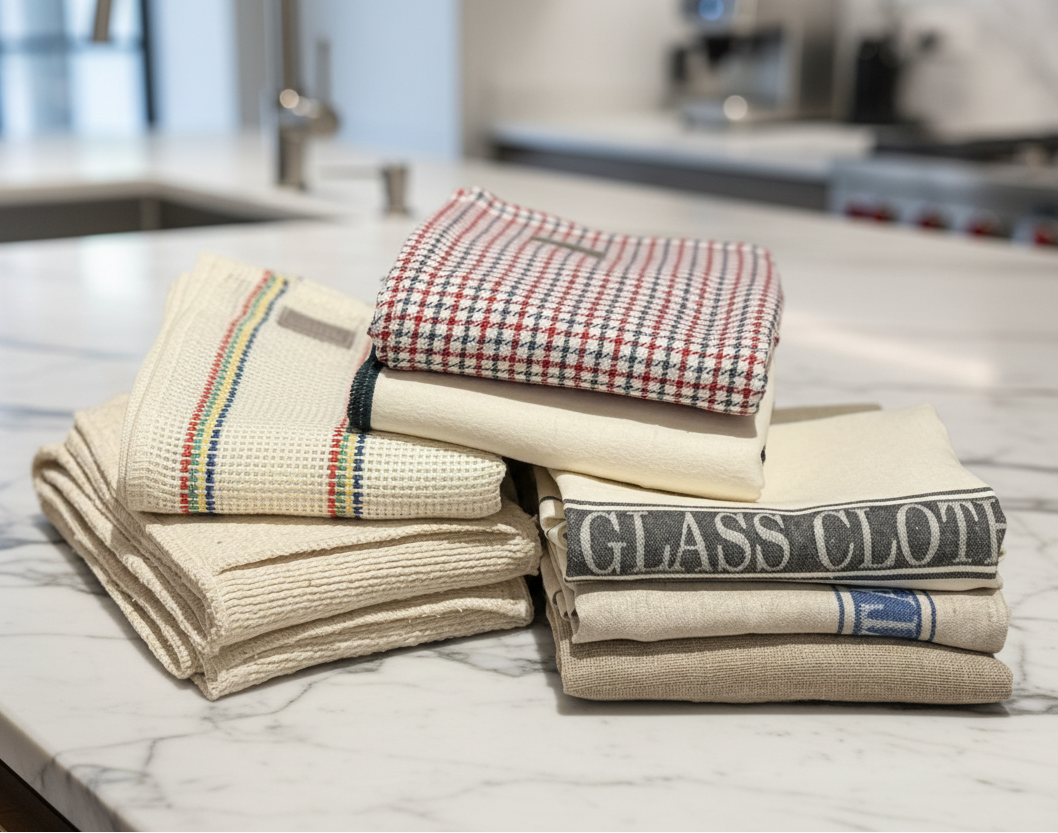
Linen is the best tea towel material for drying glasses and crockery because it absorbs moisture quickly, dries rapidly and leaves no lint behind. Cotton is softer and better suited to drying hands, wiping up spills and handling hot pans. Microfibre lifts fine dust effectively, but it can retain odours over time and may leave smears on glass.
What Is the Best Tea Towel Material?
| Material | Absorbency | Lint | Best for |
|---|---|---|---|
| Linen | High and dries fastest | None | Glassware, crockery and polishing |
| Cotton | High but slower to dry | Some, especially when new | Hands, spills, hot pans and everyday use |
| Microfibre | High and holds moisture | None, but can smear | Surfaces and fine dust, rather than glassware |
There is a quiet cycle that plays out in almost every kitchen. A pack of tea towels is bought for a few pounds. They work reasonably well for the first month. By month three, they are thinning, shedding lint on glassware and developing a permanent damp smell that no amount of washing seems to shift. By month six, they are relegated to mopping the floor or cleaning the car, and a new pack is bought to replace them.
Over a decade, this cycle repeats so many times that the total spend on disposable toweling tea towels and cheap clean cloths quietly dwarfs what a set of proper linen would have cost once. The irony is sharp: the cheaper option is almost always the most expensive choice in the kitchen.
What Does a Kitchen Tea Towel Actually Cost Per Use?
The real measure of value in a kitchen cloth is not its shelf price. It is the price divided by the number of times you use it before it fails. This cost per use calculation reveals something that most people never stop to consider.
A budget cotton tea towel typically costs between £2 and £4 and lasts roughly six to twelve months of regular kitchen use before it becomes too thin, too smelly or too lint covered to be useful. Assuming daily use, that works out to roughly 1p to 2p per use. That sounds cheap until you multiply it over time, especially when paired with quality kitchen hand towels that help keep the space both practical and well finished.
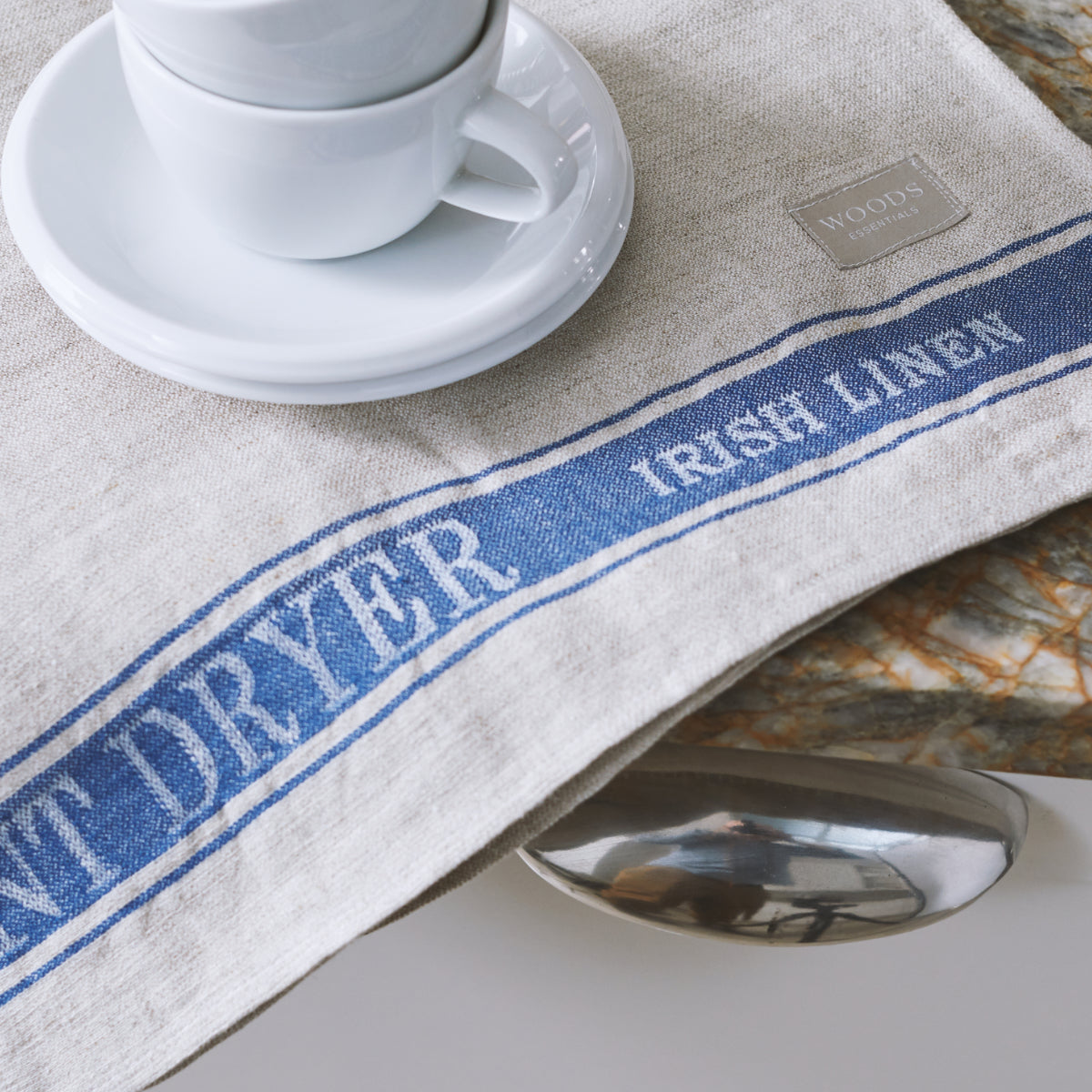
A quality Irish linen tea towel costs more upfront but lasts eight to twelve years with the same daily use. Flax is the strongest natural plant fibre, and linen actually gains strength when wet, which is the precise condition in which you use a tea towel most. Run the same cost per use calculation and the linen towel comes out at a fraction of a penny per use. Over ten years, the linen set costs less and performs immeasurably better every single day.
Why Do Cheap Tea Towels Fail So Quickly?
The short life of a budget cotton tea towel is not a mystery when you understand the fibre. Standard cotton has a relatively short staple length, which means the individual fibres are held less securely in the weave. With repeated washing and use, these fibres loosen, shed, appearing as lint on your dishes and glasses, and create weak points where the fabric thins and eventually develops holes. This applies equally to towelling tea towels made from looped cotton terry: the loops catch, pull and flatten with use, and the towel loses its absorbency well before it looks worn out. For a broader view of what to look for, our kitchen linen buyer’s guide offers useful guidance.
Cotton also absorbs moisture readily but releases it slowly. A cotton tea towel that has been used once or twice sits on the rail holding water, creating the warm, damp conditions where bacteria thrive. That persistent smell that no washing cycle seems to fix is bacterial growth embedded deep in the fibre structure. At that point, the towel is not just unpleasant. It is unhygienic.
Microfibre cloths have an even shorter useful life in the kitchen. The synthetic fibres degrade with heat exposure, which is unavoidable when drying dishes fresh from hot water. They also generate static, which attracts dust and leaves a visible haze on glassware. Most microfibre kitchen cloths are effectively finished after three to four months of regular use.

What Makes Linen Tea Towels Last So Much Longer?
Flax fibre has a natural advantage that no amount of clever weaving can replicate in cotton. The fibres have a hollow core and a waxy outer coating, which makes them naturally resistant to bacterial growth, rapid to absorb moisture and equally rapid to release it again. A linen tea towel hung on a rail after use dries in a fraction of the time cotton takes, which means bacteria never get the warm, damp environment they need to establish themselves.
The structural strength of flax is exceptional. It is the strongest natural plant fibre, and unlike cotton, it does not weaken when wet. This means linen tea towels maintain their structural integrity through years of daily use and hundreds of machine washes. The fabric becomes softer and more absorbent with each laundering cycle rather than degrading. A well made linen tea towel is genuinely better at five years old than it was when new.
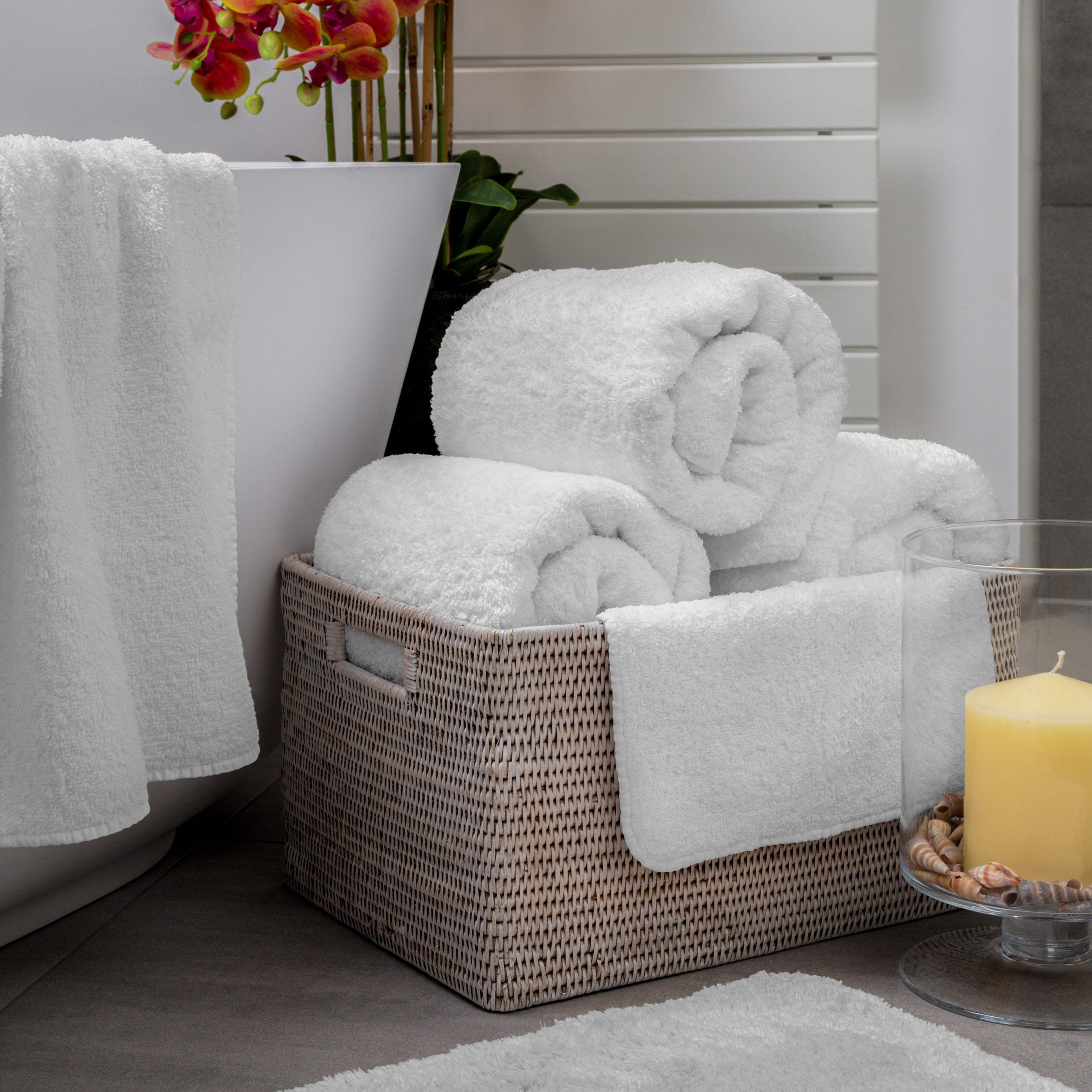
For the heavier kitchen tasks where terry fabric excels, the Woods terry cotton kitchen tea towels are made from quality cotton designed to withstand regular use far longer than budget alternatives. The key is choosing cotton terry that is properly constructed for durability, rather than the lightweight cotton found in mass market tea towels.
How Does the Ten Year Cost Compare Across Fabric Types?
Assume a household uses two tea towels daily and keeps six in rotation at any time, alongside a few clean cloths for surfaces. Here is what the ten year cost looks like across the three main fabric types.
For budget cotton tea towels replaced annually: six towels at £3 each, bought ten times, totals £180. For microfibre cloths replaced every four months: six cloths at £2 each, bought thirty times, totals £360. For quality linen tea towels bought once and used for the full decade: six towels at a higher unit price, purchased once. The total comes in well below either alternative, and the performance is superior every single day of those ten years.
These numbers are conservative. They do not account for the replacement cost of glassware marked by lint from cheap cloths, the detergent and washing machine cycles wasted trying to revive smelly cotton towels, or the simple frustration of reaching for a cloth that does not do its job properly.

Is It Worth Spending More on Kitchen Cleaning Cloths Too?
The same cost per use logic applies to every cloth in the kitchen, not just tea towels. Dedicated cleaning cloths for wiping down surfaces and kitchen hand towels hung beside the sink both last dramatically longer when made from quality natural fibres. Keeping a proper set of clean cloths in rotation, rather than pressing tea towels into double duty as surface wipers, also protects your linen from grease and cleaning product residue that shorten its life. The upfront cost is higher, but the replacement frequency drops so steeply that the long term saving is substantial.
This is not an argument for spending extravagantly on every cloth in the house. It is an argument for spending once on pieces that are properly made, from fibres that are inherently suited to the job, and then never thinking about replacements again for years.
What Should You Look for When Investing in Linen Tea Towels?
If you are buying linen tea towels with a ten year horizon in mind, a few details matter more than others. Look for 100% European flax linen with no synthetic blending. Choosing linen for tea towels is fundamentally about the fibre: flax outperforms cotton and synthetic alternatives on every measure that matters in a working kitchen. The weight should sit between 140g and 180g per square metre, which strikes the ideal balance between absorbency and quick drying. The weave should be tight and even, and hemmed edges should be double stitched, as this is where cheaper products always fail first.
Avoid anything labelled "linen look" or "linen mix." These contain synthetic fibres that undermine the very properties that make the investment worthwhile. For guidance on choosing the right pieces for your kitchen and personalised recommendations based on your household, the kitchen linen buyers guide is a good starting point.
Frequently Asked Questions About Linen Tea Towels
Are linen tea towels better than cotton? Yes. Linen absorbs more moisture, dries faster on the rail, resists bacterial odour naturally and lasts eight to
twelve years compared to one to two years for budget cotton. Linen is also completely lint free after the first few washes, making it the only practical choice for polishing glassware and crystal.
Do linen tea towels get softer over time? They do. New linen tea towels feel crisp because of natural starches in the flax fibre. After two or three washes, these starches dissolve and the fabric begins to soften. Linen continues to become softer and more absorbent with every subsequent wash for the first year, then maintains that peak softness for the rest of its very long life.
How do you wash Irish linen tea towels? Machine wash at 60°C with a non biological detergent. Avoid fabric softener entirely, as it coats the flax fibres and reduces absorbency. Line dry or tumble on a low heat setting. Linen is the most durable natural fibre and thrives on regular hot washing.
How many tea towels do you need in a kitchen? A comfortable working number is six to eight linen tea towels for drying and polishing, plus four to six toweling tea towels or clean cloths for general kitchen tasks. This allows a steady rotation so there is always a fresh, dry cloth available.
The Quiet Return on a Quality Kitchen

In the end, the difference shows up in small, everyday moments. A glass that dries spotless without a trace of lint. A cloth that still smells fresh by the end of the day. A kitchen drawer that no longer fills with cheap replacements every few months. Members of the Heritage Partnership are always first to hear about new pieces and the thinking behind them. That is what investing in quality actually looks like: less waste, less hassle, and linens that genuinely improve with use rather than falling apart.