

Why Your Sheets Still Have Pet Hair After Washing and How to Stop It
Pet hair stays on sheets after washing because the water loosens it, but the machine has nowhere to send it, so it settles back onto the wet fabric. Remove as much hair as possible before washing, wash the sheets separately, then tumble-dry them first on a no-heat air cycle.
Why Is There Still Pet Hair on My Sheets After Washing?
-
Tumble the dry sheets on a no-heat air cycle for 10 minutes, then clean the lint filter.
-
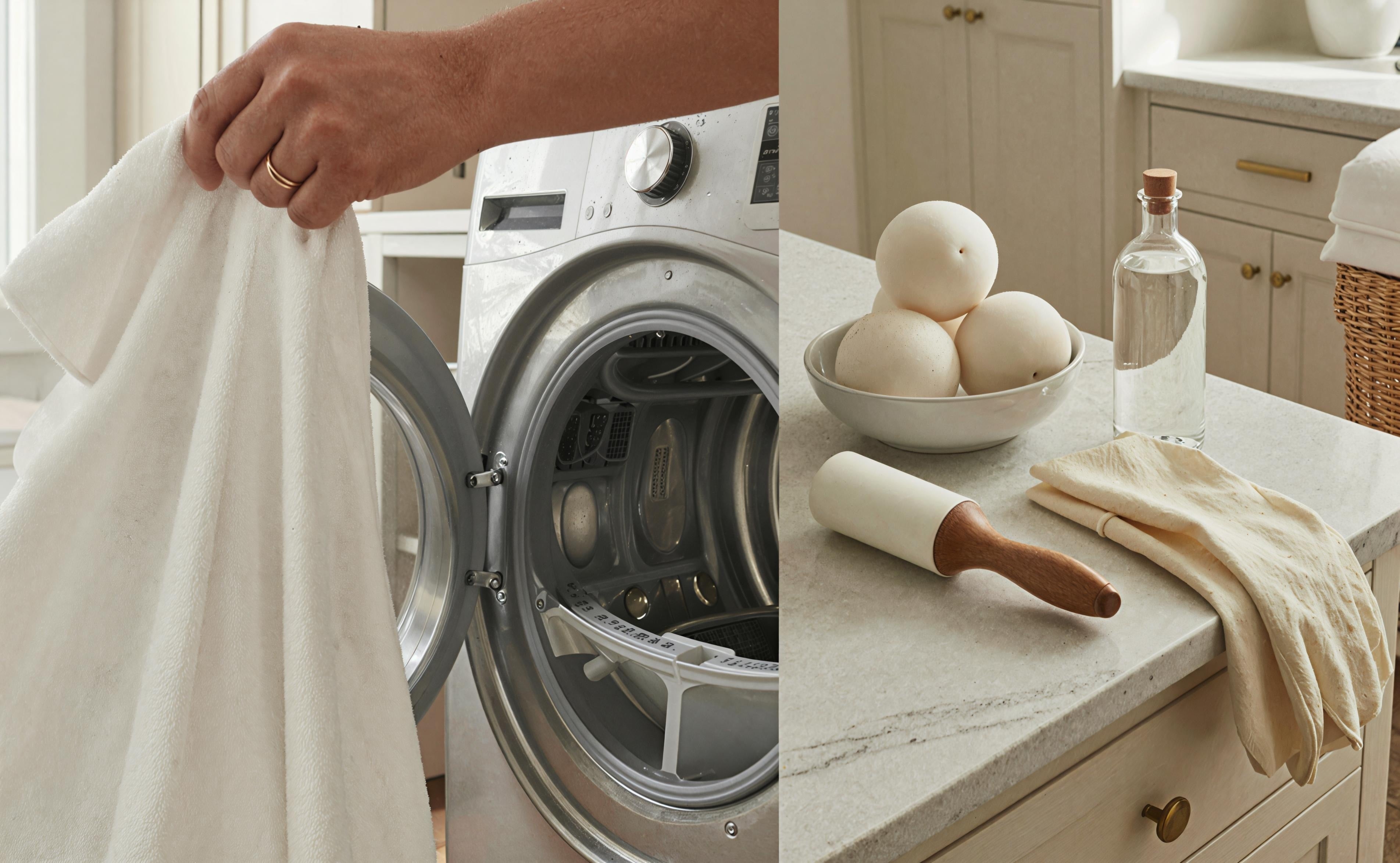
Go over the sheets with a rubber glove or pet hair brush to remove any remaining hair.
-
Wash the sheets on their own, never with towels or other bedding.
-
Add half a cup of white vinegar to the rinse compartment to relax the fibres and help release trapped hair.
-
Tumble-dry on a low setting with two dryer balls, cleaning the lint filter halfway through.
-
Wipe out the drum before the next wash to prevent hair from transferring back onto other laundry.
You wash the sheets. They come out fresh. You make the bed. Then the pillowcases look like the dog has signed them anyway. It is the kind of irritation that feels silly until it happens three days in a row.
Most of the time, the bedding is not the issue. The issue is what happens around it. Hair moves in the wash, then clings during drying. Once you treat it as a small system problem, it stops feeling mysterious.
If you want to browse while you read, keep bed linen open.
Quick win
If you do nothing else, do this.
-
Wash bedding only with bedding
-
Avoid overdrying
-
Lint roll pillowcase zones before you make the bed
That solves a surprising amount on its own.
What is actually happening
Pet hair shows up after washing for two main reasons.
Transfer
Hair and lint get redistributed in the wash, especially when bedding shares a cycle with towels, fleece, throws, dressing gowns, and heavy knits.
Static
Overdrying and dry indoor air increase static, which makes hair cling to fabric even after it has been cleaned.
A simple way to tell which one you are dealing with:
-
If sheets come out of the wash already hairy, it is usually transfer.
-
If sheets look fine in the basket then turn furry on the bed, it is usually static.
Always follow the care label first, then use this routine for the system.
Pillowcases are the troublemakers
Pillowcases get the most contact. Pets climb there, hair transfers from clothing, and skin oils can make strands cling more readily. They also sit at eye level, so every hair looks like it is shouting for attention.
Treat pillowcases as the front of house zone. A quick reset there makes the whole bed look cleaner.

A routine that works in a real pet home
Keep bedding away from lint heavy loads
Sheets and towels are a messy pairing. Towels shed lint. Fleece sheds even more. If bedding goes in with those items, fibres transfer and settle into the fabric.
Wash bedding with bedding only.
If you want a quick reference for symbols and temperatures, care labels explained keeps decisions straightforward.
Give the wash space
If the drum is packed, water cannot circulate properly and hair does not rinse away cleanly. A simple check helps. Once the dry load is in, you should be able to place your hand on top comfortably. If it feels tight, split it.
Measure detergent
More detergent does not mean more clean. Too much can leave residue, and residue can make fibres feel slightly coated, which encourages cling. This matters even more in hard water areas, where rinsing is less forgiving.
If sheets feel heavy, overly scented, or slightly coated after washing, an extra rinse can improve the finish.
Do a two minute shake before the cycle
-
Shake sheets and pillowcases outdoors or over a bath
-
Turn duvet covers inside out and shake corners
-
If hair is heavy, lint roll the pillowcase face side once
This is not fuss. It stops the wash from redistributing a loose layer back onto the fabric.
Drying without inviting hair back
If you use a tumble dryer
Overdrying increases static. Static increases cling.
-
Use moderate heat where possible
-
Take bedding out while it is still slightly warm
-
Shake once, then fold or put it straight on the bed
-
Clean the lint filter every cycle
If you line dry
Line drying can still leave hair clinging, especially in dry air. The fix is simple.
-
Shake bedding outside once before hanging
-
When fully dry, bring it indoors and give it a second quick shake
-
Smooth and fold neatly rather than leaving it rumpled in a basket
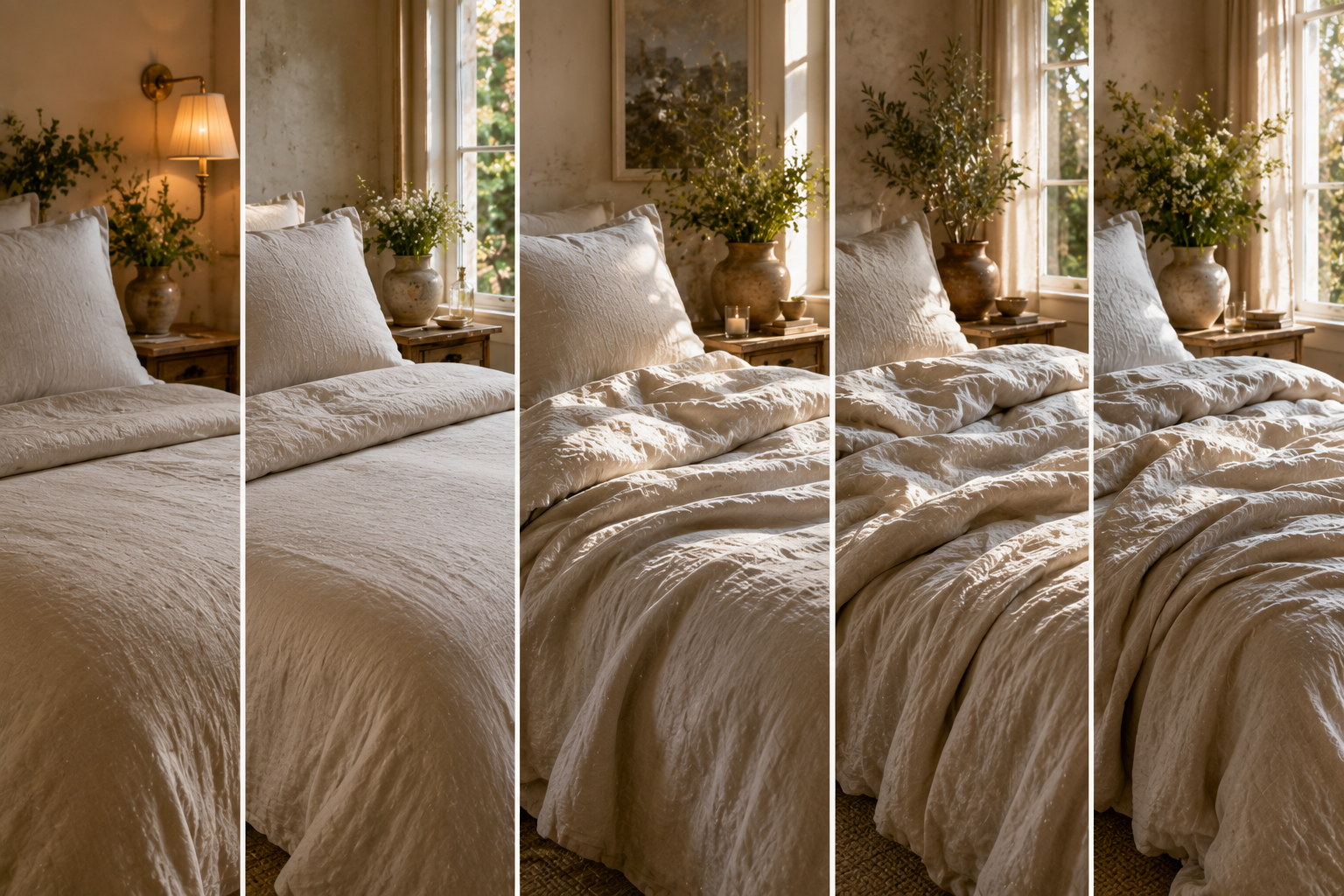
If the duvet cover is your main visible surface, a well chosen duvet cover helps the bed look pulled together with less effort.

The fast reset that makes the whole bed look cleaner
When you need the bed to look right quickly, focus on the most visible zones.
-
Lint roll pillowcases and the top third of the bed.
-
For stubborn strands, wipe with a clean, slightly damp microfibre cloth in one direction.
-
Shake the duvet once and smooth it with your forearm.
-
Fold the top layer at the foot so the finish looks intentional.
If you like a structured layer at the foot, it also reduces how much of the sheet surface is visually exposed. A finishing piece from blankets can do that job well.
If your fitted sheet shifts and bunches, friction increases and the surface tends to collect more debris. A depth matched fitted sheet helps the bed stay smoother overnight.

Why is there pet hair on my sheets after washing
This usually happens because hair has transferred into the load from lint heavy items, because the drum is too full to rinse properly, or because static in the dryer pulls loosened hair back onto the fabric. Keeping bedding separate, avoiding packed loads, and removing sheets before they overdry solves most cases.
How do I stop pet hair sticking to bed sheets
Treat it as transfer plus cling. Reduce transfer by washing bedding only with bedding and shaking off loose hair first. Reduce cling by measuring detergent so it rinses clean, then drying on sensible heat and removing while slightly warm to avoid static. Finish with a quick reset on pillowcase zones before you make the bed.
Does fabric softener help with pet hair
It can reduce static, which may reduce cling, but it can also leave a film that affects feel and can trap particles. If you use it, use very little and make sure the rinse is thorough. If you notice residue or a coated feel, skip it and use an extra rinse instead.
Why do my pillowcases look worse than everything else
They get the most contact with pets, clothing, and skin oils, and they are the part of the bed you notice first. Oils can make hair adhere more readily, and pets tend to target pillows as a favourite perch. A quick lint roll on the pillowcase face side is often the highest impact habit you can adopt.
What is the fastest way to remove pet hair from sheets
Use a lint roller on pillowcases and the top third of the bed, then wipe stubborn areas with a slightly damp microfibre cloth in one direction. If the duvet cover is the visible surface, smoothing and folding the top layer finishes the look quickly.
When the Bed Stops Feeling Like a Battle
Pet hair is not a moral failing. It is just the price of living with animals you actually like. The aim is not a showroom bed that survives for ten minutes. The aim is a bed that looks good enough, most of the time, without you repeating the same chores every evening. Once bedding stays away from towels and fleece, the drum has space to rinse properly, and the dryer stops short of overdrying, the whole situation improves. The sheets feel fresher, the pillowcases stop broadcasting fluff, and the bedroom looks looked after again.
If you would like to be part of the Heritage Partnership, it shares straightforward guidance on materials, sizing, and upkeep, with considered updates that help you keep your bedding looking better for longer, without adding extra effort to your week.