


Luxury Bed Linen With Hypoallergenic Properties: 9 Things That Actually Help
If you search “hypoallergenic bed linen”, you find endless claims and not much clarity. This guide keeps it simple. You get the nine changes that most reliably improve comfort for people who wake up feeling stuffy, itchy, or generally bothered by their bedding. Start with the pieces that are easiest to control, then refine.
You begin with the basics from luxury bed linen, then you build a setup that is easier to keep fresh over time.

1. What does “hypoallergenic bed linen” actually mean?
It means bedding that helps reduce common irritants. Not through magic fabric. Through three practical outcomes.
-
It does not trap heat and moisture easily
-
It washes and dries well, so you keep it genuinely fresh
-
It supports routines that reduce build up in the bed
If your bedding feels “fine” in the evening but unpleasant at 3 a.m., it is usually warmth, moisture, and what has collected in the fibres.
2. What causes allergy-like irritation at night?
Most irritation comes from build up and airflow issues rather than one dramatic trigger.
-
Dust and particles in layers you rarely wash
-
Humidity held close to the body
-
Pillowcase build up, especially if you use hair or skin products
-
Laundry residue that clings to fibres
This is why “hypoallergenic” works best as a system.
3. What should you change first for the biggest difference?
Start with what you cannot wash weekly.
Your mattress holds onto particles for years. Sheets do not. That is why a removable barrier often makes the biggest difference.
Choose a layer from mattress toppers and protectors and treat it as your foundation.
4. How do you stop bedding from collecting build up in folds?
Keep the sleep surface stable.
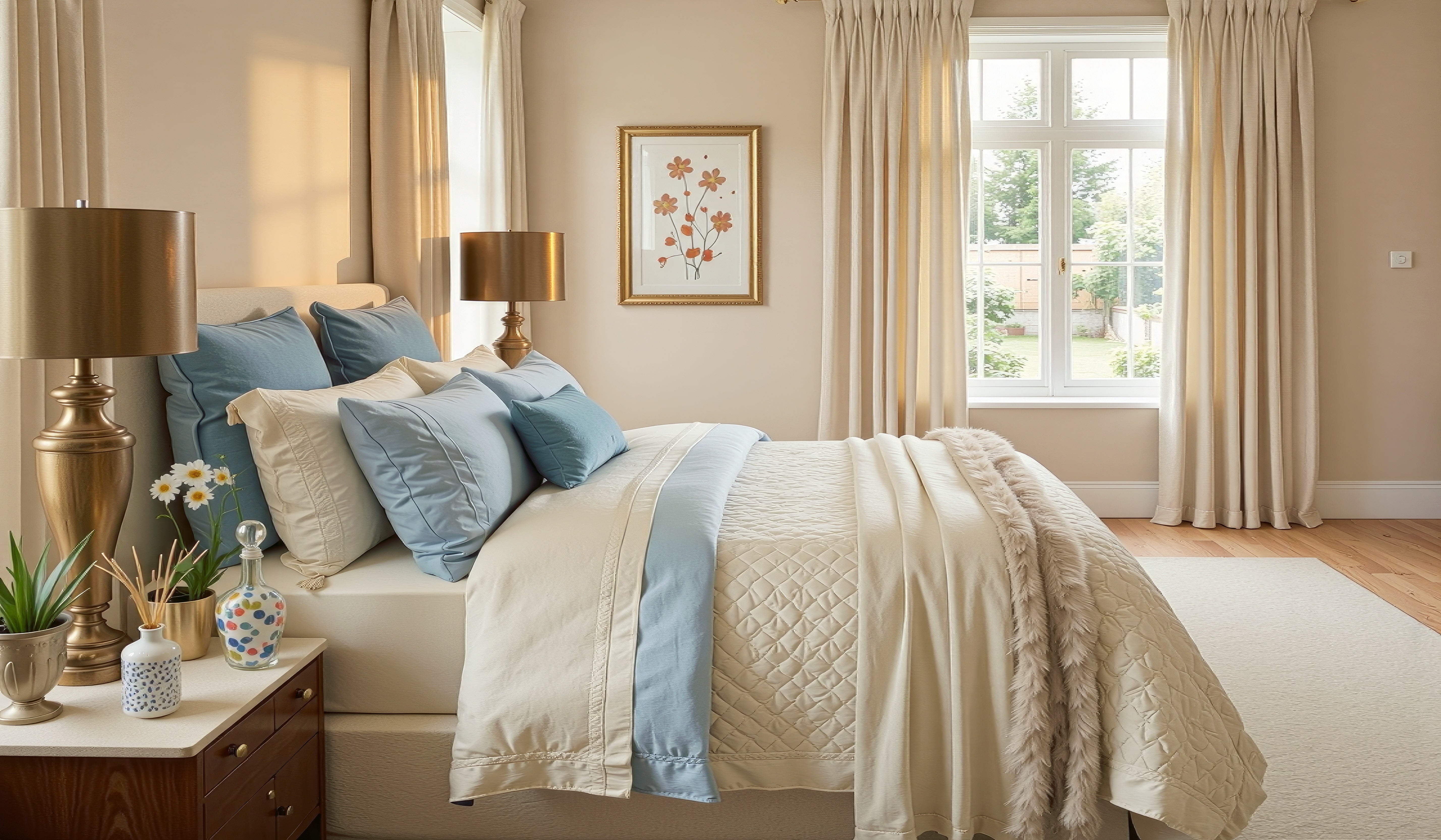
Shifting sheets and bunching fabric create warm pockets and collect particles in creases. A properly fitted base layer from fitted sheets reduces movement and helps the bed stay smoother and easier to keep clean.

5. Which weave suits “hypoallergenic” comfort best?
Choose a weave you actually wash, and that breathes well.
Percale often works well because it feels crisp, it breathes, and it tends to dry efficiently. That combination matters because moisture is what turns “slightly irritating” into “I cannot sleep”.
Sateen can feel smoother, but many people find it warmer. If you run hot, start with breathability.
6. Does fibre quality matter, or is it all marketing?
Fibre quality matters after the system is in place.
Once you protect the mattress and keep the surface stable, upgrading fibre quality improves long term comfort because the fabric stays refined through repeat washing.
If you want a smooth, durable set that holds its feel, Egyptian cotton bed linen is a sensible upgrade.

7. How often should you wash bedding if you are prone to irritation?
Weekly is a good baseline for sheets. Pillowcases often need more.
If you are sensitive, or you have pets, or you use hair products, changing pillowcases more frequently makes a noticeable difference because your face is in contact for hours.
8. What laundry routine works best for “hypoallergenic” bedding?
The best routine is the one that rinses clean.
-
Use fragrance free detergent
-
Use less than the label suggests
-
Avoid fabric conditioner if you suspect residue
-
Add an extra rinse when possible
-
Dry fully before making the bed
Fully dry matters more than people realise. Damp fibres hold onto odours and particles more easily, and the bed feels less fresh even when it looks clean.
9. What should you buy if you want the simplest upgrade path?
If you want a clean shopping order that makes sense, follow this.
-
Mattress protection
-
Fitted sheet that stays smooth
-
Breathable bed linen you wash regularly
-
Fibre upgrade if you want a more refined feel
-
Then choose the finishing layer
Your top layer matters too. A well chosen duvet cover in the right weave helps the whole bed feel more breathable and put together, especially if you wash it often.
Closing
Hypoallergenic comfort is not a slogan. It is what happens when your bed stops holding on to yesterday. Protect the mattress, keep the sheet surface smooth, choose a weave that breathes, and wash in a way that actually rinses clean. Do that, and the difference feels practical rather than poetic: the bed stays fresher, sleep settles more easily, and you wake without that vague sense that something was “off” all night.
If you would like more guidance written with the same care, you can join the Heritage Partnership. You receive early access to new arrivals, plus thoughtful recommendations that cut through noise and help you choose with confidence. It is for people who value fewer, better pieces, and who appreciate the quiet satisfaction of getting it right once. Over time, those decisions shape a bedroom that feels genuinely considered, night after night.