

How to Fold a Fitted Sheet: A Simple Step-by-Step Method
- Hold the sheet lengthways in front of you, with your hands inside two of the corner pockets along one of the shorter edges. The sheet should be right side out, with the elasticated hem facing away from you.
- Bring your right hand over to your left hand, folding the sheet in half and tucking the right corner pocket over the left one. Your left hand should now be holding both corner pockets, one nested inside the other.
- Reach down and pick up the third corner with your right hand. Bring it up and tuck it over the two corners already on your left hand. You are folding the sheet into quarters, with three corners now stacked together.
- Pick up the fourth and final corner and tuck it over the other three. All four corner pockets should now be nested together on one hand, with the sheet hanging in a rough rectangle.
- Lay the sheet flat on a clean surface, such as a bed or table. Smooth it out, tucking the elasticated edges underneath to create clean lines. You should now have a rough rectangle with all the elastic hidden on one side.
- Fold the rectangle into thirds lengthways, then into thirds again widthways, or in half, depending on the size of the sheet and your cupboard shelves. The result is a neat, flat package that stacks beautifully.
That is it. The entire technique rests on nesting the four corners together. Once you have done it two or three times, it becomes completely intuitive.

Tips for a Cleaner Fold
Fold while the sheet is still slightly warm from the dryer or the iron. Warm fabric is more pliable and holds its shape better. If you air dry your sheets, fold them as soon as they come off the line rather than leaving them in the basket.
Use a flat surface. Trying to fold a fitted sheet in mid air is an exercise in frustration. A bed, dining table, or even a clean floor gives you the space to smooth out wrinkles and get crisp edges.
Iron the folded sheet. This is optional, but if you want truly flat, hotel quality results, a quick press with a hot iron after folding makes a surprising difference. It also makes your linen cupboard smell wonderful.
Fold the sheet with the elasticated edges tucked underneath. This keeps the visible side smooth and flat, which matters when you are stacking sheets on a shelf.
How to Store Bed Linen
Folding is only half the equation. How you store your sheets determines whether they stay fresh, wrinkle free, and ready to use.
Store sets together. Fold the fitted sheet, flat sheet, and one pillowcase, then tuck the whole set inside the second pillowcase. This keeps everything together and makes changing the bed effortless. No more hunting through shelves for matching pieces.
Stack on open or well ventilated shelves. Linen needs to breathe. Avoid storing sheets in sealed plastic containers or vacuum bags for extended periods, as this can trap moisture and cause yellowing. A well ventilated linen cupboard or open shelf is ideal.
Rotate your stock. When you wash a set of sheets, put them at the bottom of the pile rather than back on top. This ensures all your sets get used evenly, which extends their lifespan and prevents one set from sitting unused for months.
Keep your cupboard clean and dry. A sachet of lavender or cedar balls between the stacks keeps things smelling fresh and deters moths. Avoid direct sunlight on stored linens, as it can cause fading over time.
For more detailed advice on keeping your linens in peak condition, our guide on how to care for your luxury linens covers washing, drying, ironing, and long term storage.

How Many Sets Do You Need?
A well organised linen cupboard starts with having the right number of sheets. The general recommendation is three sets per bed: one on the bed, one in the wash, and one in the cupboard ready to go. This rotation means you are never caught short and your sheets wear evenly.
If you have guest beds, two sets per bed is usually sufficient. For children's beds, where accidents and more frequent changes are common, four sets gives you comfortable headroom.
Our guide on how many bed sheet sets you need goes into more detail on building the right linen collection for your household.
Choosing Fitted Sheets That Last
A good fitted sheet should fit snugly, stay put through the night, and get softer with every wash. We have been advising customers on bed linen from Harrogate since 1895, and the three things that consistently determine whether a fitted sheet lasts are the fabric quality, the elastic, and the depth of the pocket.
Fabric. Long staple cotton, particularly Egyptian cotton, produces the finest yarns and the most durable sheets. It also gets softer over time rather than pilling or wearing thin.
Elastic. Look for sheets with elastic running the full perimeter, not just the corners. Full perimeter elastic grips the mattress more securely and is far less likely to pop off during the night.

The Linen Cupboard Goal
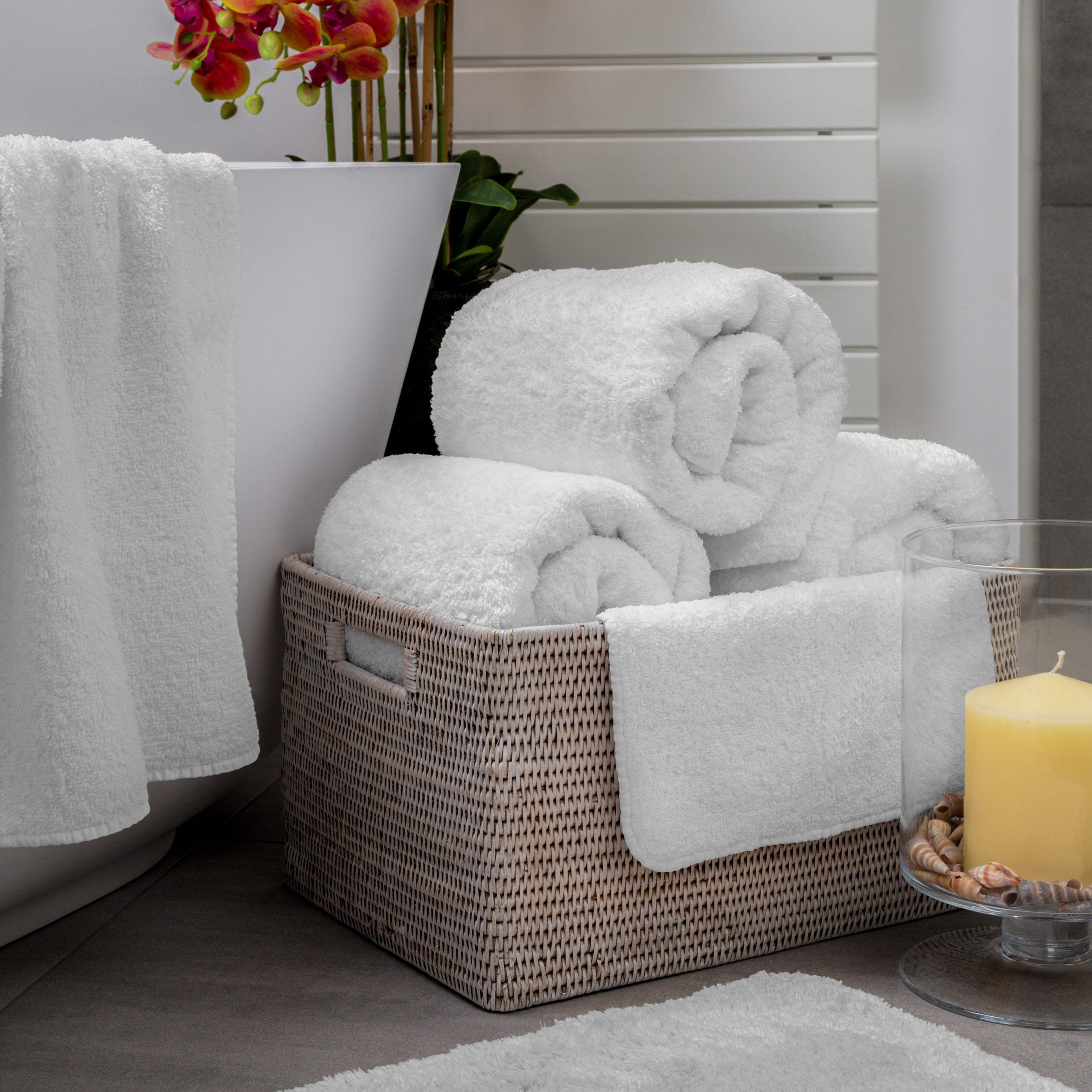
A neatly organised linen cupboard is one of those small domestic pleasures that pays dividends every time you open the door. Sheets folded flat and stacked by set, towels rolled or folded to a uniform size, everything visible and accessible.
The fitted sheet fold is the key that unlocks this. Once you can fold a fitted sheet as neatly as a flat one, the whole cupboard falls into line.
Browse our full collection of fitted sheets and bed linen sets to find the perfect foundation for a beautifully organised linen cupboard. Members of the Heritage Partnership receive care guides, first look at limited editions, and practical advice from our linen specialists whenever they need it.
Frequently Asked Questions
Why won't my fitted sheet stay folded?
The most common reason is that the elasticated corners have not been properly nested together. If you tuck all four corner pockets into each other before laying the sheet flat, the elastic is contained and the sheet holds its shape. Folding while the sheet is still slightly warm also helps it stay put.
How do you store bed sheets in a small space?
Fold each set and tuck the fitted sheet, flat sheet and one pillowcase inside the second pillowcase. This creates a compact bundle that stacks neatly on a shelf. Store sets vertically like books if shelf space is very limited, so you can see and pull out each set without disturbing the rest.
How often should you replace fitted sheets?
Quality Egyptian cotton fitted sheets can last several years with proper care and rotation. Replace them when the elastic no longer springs back, the hems start fraying, or the fabric feels noticeably thin. Rotating three sets per bed ensures even wear and extends the life of each set.
Should you iron fitted sheets?
It is not essential, but a quick press after folding gives a noticeably smoother, flatter result that stacks better in the cupboard. If ironing feels like too much effort, folding the sheet while it is still slightly warm from the dryer achieves a similar effect with less work.
How many sets of bed linen do you actually need?
It depends on your washing routine and drying setup. If you have a tumble dryer or reliable outdoor drying, three sets per bed works well. If you rely on indoor airers and live in a damp climate, four sets gives you a more comfortable buffer. For holiday lets or Airbnbs with back-to-back changeovers, keep three sets per bed plus one spare to cover any laundry delays or damage.