





Linen Bedding for the UK Climate: A Seasonal Layering Guide
Linen bedding works beautifully in the UK climate because it is breathable, moisture managing and easy to layer. The key is not to treat linen as a summer only fabric. Use it as the base of the bed, then adjust the layers above it as the seasons change.
In summer, linen can sit almost alone. In spring and autumn, pair it with a light duvet or bedspread. In winter, add warmer layers such as flannelette or brushed cotton where you want extra cosiness.
Why linen suits the UK climate
The British climate asks a lot from bed linen. A room can feel humid in summer, chilly by morning in spring, and damp during winter even when the heating is on. Linen is useful because flax fibres naturally allow air to move through the cloth, while also absorbing moisture without feeling clammy. That balance makes linen feel fresh on warm nights and more settled when layered in colder months.
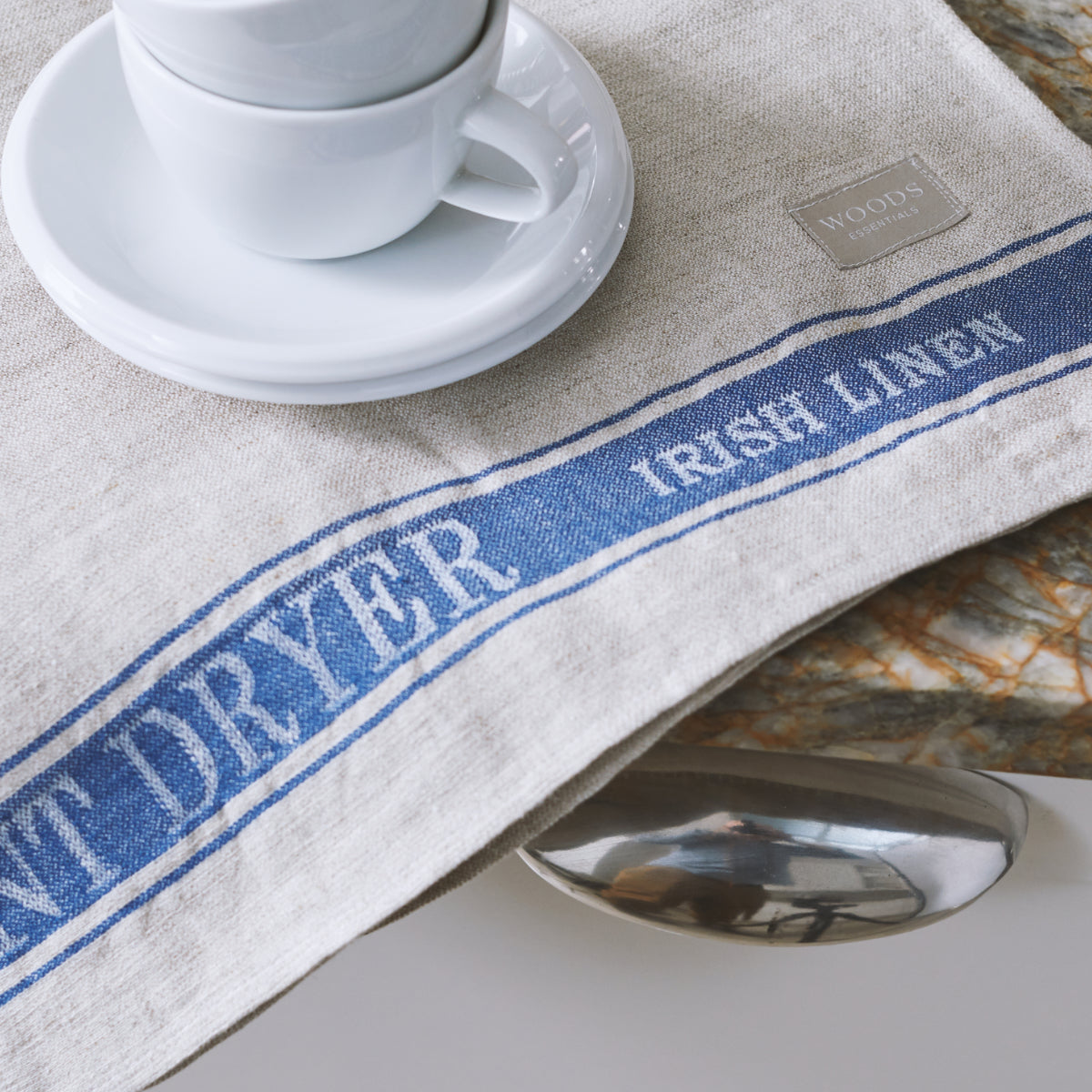
For the closest fit to this kind of year round bedding, start with linen sheets and pillowcases as the foundation. They give the bed a relaxed, breathable base, then other layers can be added or removed without changing the whole sleep system.

Summer: keep linen light and breathable
In summer, linen bedding should feel simple. Use a fitted sheet, flat sheet and pillowcases, then keep a very light layer at the foot of the bed for cooler early mornings. Linen is at its best when it is allowed to breathe, so avoid heavy synthetic throws or thick toppers when the room is already warm.
A summer bed can be dressed with a linen sheet as the main covering, a low tog duvet nearby, or a light cotton bedspread folded neatly across the lower third. This gives the room a finished look without trapping too much heat. For more summer specific guidance, cross link to Summer Bedding Care and Layering so the seasonal articles support each other rather than competing.
Spring and autumn: add a light duvet or bedspread
The shoulder seasons are where linen becomes especially useful. One night can feel warm, the next can feel unexpectedly cold. Instead of changing the whole bed, keep linen as the contact layer and add adaptable top layers.
A light duvet works well when evenings are still cool. A bedspread adds gentle weight and visual polish without the bulk of a winter blanket. Explore bedspreads if the room needs an extra layer that looks considered during the day and feels useful at night.
The best spring and autumn bed usually has three parts: breathable linen next to the skin, a duvet matched to the room temperature, and a decorative bedspread or throw that can be pulled up when needed.

Winter: keep linen, then add warmth intelligently
Linen does not need to disappear in winter. Used alone it may feel too cool for some sleepers, but as part of a layered bed it still performs well. Keep linen sheets where you want breathability, then add warmth through the duvet, blanket or bedspread.
For sleepers who feel the cold, brushed cotton or flannelette can be introduced during the deepest winter months. Flannelette Cotton Bed Linens are made for warmth and softness, so they work well when the bedroom is cold before the heating has fully settled.
Linen gives a drier, more breathable feel, while flannelette gives a warmer, brushed handle. Many homes benefit from having both in the linen cupboard.
How to build a year round linen cupboard
A practical linen cupboard for the UK climate does not need to be complicated. Build it around a small number of good layers rather than too many similar pieces.
Start with two or three sets of linen sheets and pillowcases for regular rotation. Add a lighter summer layer, a dependable duvet for spring and autumn, and a warmer winter option for colder bedrooms. A bedspread is useful because it sits between decoration and function. It finishes the room, protects the bed during the day and adds just enough weight when the evening cools.
Colour matters too. White, ivory, oatmeal, soft grey and natural flax tones work across the year. Deeper shades can be introduced through cushions, blankets or a bedspread, but the core linen layers should stay calm enough to suit every season.

A simple seasonal guide
| Season | Best linen bedding combination |
|---|---|
| Summer | Linen fitted sheet, linen flat sheet, pillowcases and an optional light bedspread |
| Spring | Linen sheets, light duvet and bedspread folded at the foot |
| Autumn | Linen sheets, medium duvet and bedspread or blanket for colder nights |
| Winter | Linen or flannelette sheets, warmer duvet and extra blanket or bedspread as needed |
Choosing Bedding That Works All Year
The best bedding for the UK climate is flexible, breathable and easy to adjust as the temperature changes. Linen gives the bed a naturally comfortable foundation because it feels fresh in warmer months, yet still works beautifully beneath extra layers when the weather turns cooler. Rather than changing everything from season to season, start with good linen sheets and pillowcases, then build warmth gradually with a duvet, bedspread, blanket or brushed cotton layer when needed.
Think of the bed as a seasonal system rather than a single product. In summer, the lightness and breathability of linen can help the bed feel cool and relaxed. In spring and autumn, a light duvet and bedspread add just enough comfort without making the bed feel heavy. In winter, brushed cotton or flannelette can be introduced for extra softness and warmth, while linen still brings balance and breathability to the overall arrangement.
When every layer has a purpose, the bed becomes easier to live with. It looks calm during the day, feels better at night and adapts more naturally to the changing British seasons. The result is not simply a better dressed bed, but a more comfortable bedroom throughout the year.
For more personal guidance on fibres, weaves, seasonal layering and choosing the right combinations for your home, join the Heritage Partnership. Members receive expert help, considered product advice and early access, making it easier to choose bedding that feels refined, practical and beautifully suited to every season.