


Egyptian Cotton Bed Linen And Bedspreads For Layered Luxury
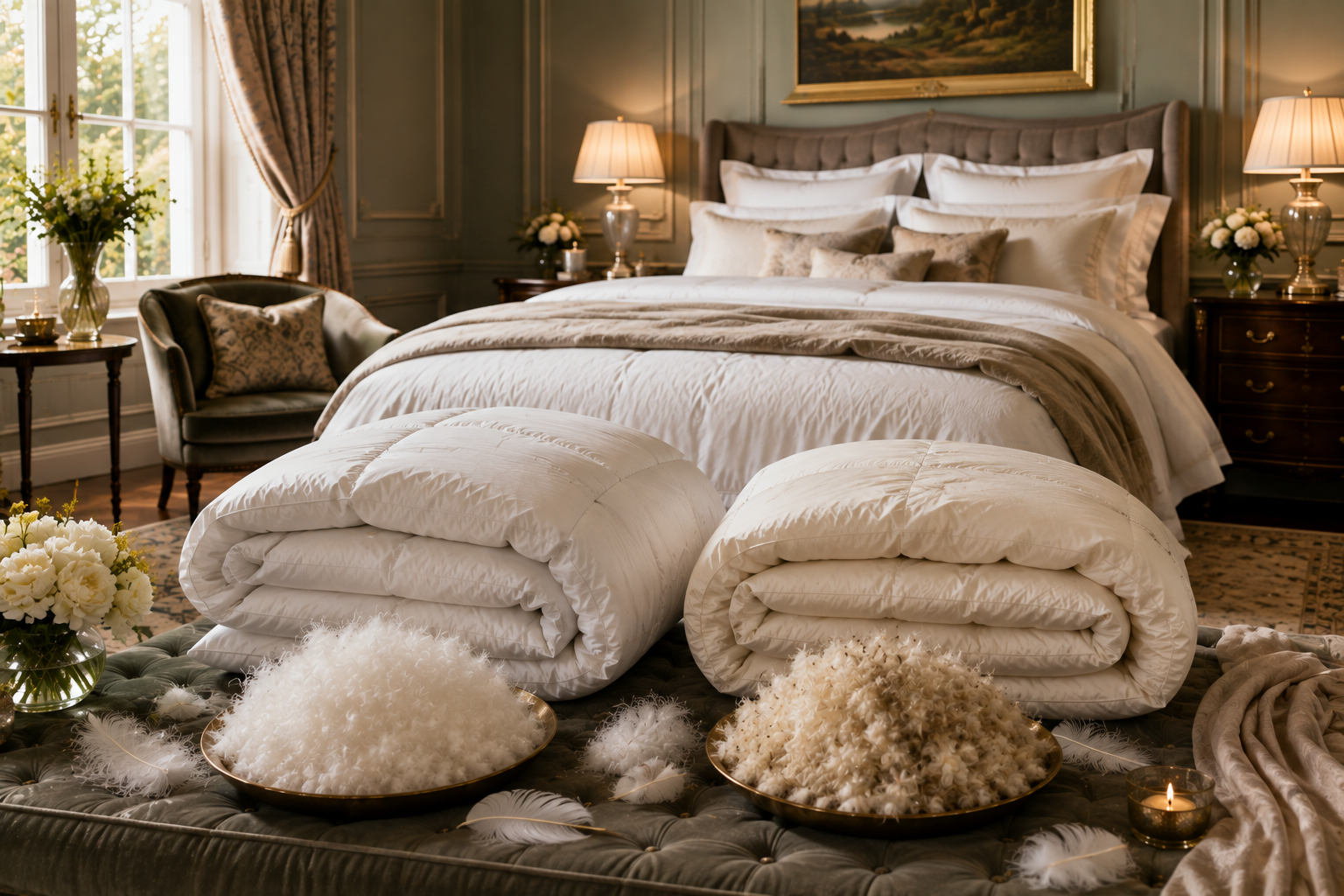
The way a bed looks and feels sets the mood for the entire room. A duvet and a single sheet can be perfectly adequate, but the bed often appears a little bare and the experience can feel less considered. Once you begin to layer Egyptian cotton bed linen with a well chosen bedspread, the same bed starts to look composed and quietly inviting, even on an ordinary weekday.
Layering is about comfort as much as appearance. The base layers keep you at ease through the night. The top layer adds shape, texture and a feeling that the bed has been dressed with intention rather than done in a hurry.
In this guide, think of the bed as a simple structure. The Egyptian cotton bed linen provides the foundation you sleep against, while the bedspread is the final layer that ties the whole arrangement together.
Why Egyptian cotton makes the ideal base layer
Layered beds depend on a calm, breathable base. Egyptian cotton is regarded as one of the finest foundations you can choose because of the quality of its fibres and the way they are woven.
Soft fibres that relax with use
Genuine Egyptian cotton is grown from long staple fibres that can be spun into smooth, strong yarns. This means fewer rough ends on the surface of the fabric, so sheets and pillowcases feel refined against the skin. With time and careful laundering, the fibres relax and the cloth becomes even more supple, while still holding its structure.
Percale and sateen as different foundations
The weave has as much influence as the fibre.
-
A cool, matt percale has a smooth, crisp hand feel that suits anyone who enjoys the sensation of freshly aired sheets.
-
A softly lustrous sateen drapes more closely and feels a little silkier, which many people appreciate in cooler weather or in a more formal bedroom.
There is no single correct choice. A layered bed works best when the base fabric reflects how you like to sleep and how you want the room to feel.
Weight and breathability
For most British bedrooms, a medium weight Egyptian cotton cloth is enough to handle the seasons. The fabric should be dense enough to feel reassuring, yet open enough to allow air to circulate so your layers work together rather than trapping heat. This matters even more once a bedspread is introduced over the top.

How bedspreads complete the layered look
Once the base linen is in place, the bedspread becomes the layer that defines the outline of the bed. It covers the duvet and is often the first element the eye notices when you step into the room.
A well chosen bedspread should
-
Sit lightly over your existing bedding without feeling heavy or stiff.
-
Add a clean edge or border so the bed looks centred and intentional.
-
Introduce texture or pattern in a measured, understated way.
-
Fold and drape gracefully when you change the arrangement.
The best luxury bedspreads are designed to work in this way, sitting comfortably over cotton bed linen and complementing it rather than competing with it.
Texture and pattern
Egyptian cotton bed linen tends to be smooth and calm, which makes it an ideal partner for a more textured top layer. A lightly quilted design, a subtle jacquard or a woven pattern can all bring gentle interest. The aim is to create depth and character rather than visual clutter.
Warmth without bulk
In many homes, the bedspread is used as an extra layer on cooler nights and as a visual layer on milder ones. By choosing a relatively light construction, you gain flexibility. On cold evenings you can draw it higher for extra warmth. In spring and summer you can leave it folded neatly across the lower third of the bed so it still frames the mattress without adding unnecessary heat.

Combining bed linen and bedspreads through the seasons
Once you have a base set of linen and a bedspread you love, the pleasure comes from how you use them as the months change.
Spring and summer
In warmer weather, many people sleep best with a lighter duvet or sometimes without one. In this case, the Egyptian cotton flat sheet does much of the work, keeping the skin in contact with a cool, breathable surface. The bedspread can be folded neatly at the foot of the bed so it still provides a frame without adding much warmth. To add a little more substance, finish the layer with a throw or browse luxury blankets for a weightier option.
On the warmest nights you may choose to sleep under the sheet alone, with the bedspread acting purely as a decorative layer that keeps the bed looking composed.
Autumn and winter
When temperatures fall, a bedspread becomes part of the insulation. You can smooth it over the entire duvet for an extra layer of warmth or leave it arranged at the lower third of the bed so it is easy to pull up in the night if you feel cold. The Egyptian cotton beneath continues to manage moisture and temperature next to your skin, while the bedspread increases the pocket of warm air above.
Balancing the room
Because a bedspread covers more of the bed than a throw, it can help balance the proportions of the room. A lighter shade can lift a dark bed frame. A slightly deeper tone can anchor a space with very pale walls and flooring. It is often worth stepping back to the doorway to see how the layers read as a single composition from the point where you usually enter.
For further ideas on how different textures and colours work together, it can be useful to browse the wider bedroom collection and study the combinations that feel most settled to you.
Caring for Egyptian cotton bed linen and bedspreads
Layered beds are easiest to live with when each piece is simple to care for. A few clear principles help keep everything looking and feeling its best.
Caring for the base linen
-
Wash bed linen before first use to remove any dressing and allow the fibres to relax.
-
Follow the care label, usually a warm wash for fine cotton, which is enough to freshen without stressing the fibres.
-
Avoid harsh bleach and strong optical brighteners, especially on coloured pieces.
-
Line dry where possible, then press lightly if you prefer a very smooth finish.
Caring for bedspreads
Bedspreads can be woven, quilted or lightly padded, so their care labels vary. Some can be washed on a gentle cycle at home. Others are best cleaned professionally.
-
Check the care label and follow the recommended washing or cleaning method.
-
Air bedspreads regularly, either over a bannister or in a shaded outdoor spot, to keep them fresh between cleans.
-
Store them folded and completely dry, ideally in a breathable cotton bag or on a shelf where they are not compressed by heavier items.
If you like to keep a reference, a dedicated bedding care guide offers a more detailed explanation of symbols, temperatures and routines.
Building a simple layered set for each bed
You do not need a large quantity of textiles to enjoy layered luxury every day. A small, thoughtful set for each bed is easier to manage and always feels ready.
For most beds, a practical starting point is
-
Two full sets of Egyptian cotton sheets and pillowcases in a main colour.
-
One duvet cover that coordinates with both sets.
-
One bedspread that suits the room and moves comfortably through the seasons.
One set of linen can be on the bed while the other is in the wash or resting in the airing cupboard. The bedspread remains in use throughout the year, acting as a practical layer in winter and a visual one in summer.

Finishing touches for a beautifully dressed bed
When Egyptian cotton bed linen and a well chosen bedspread are layered together, the whole room feels more settled and inviting. The base cloth keeps you comfortable and relaxed through the night. The upper layer adds gentle structure and texture, so the bed looks composed whenever you glance towards it.
All of the throws and coverlets featured in this guide are gathered in our blankets and throws collection.
If you would like thoughtful updates on new bed linen and bedspread collections, along with expert guidance on caring for them, you can join the Heritage Partnership and receive occasional, carefully considered news that respects your time and attention.