Pedestal Mats: How to Choose the Right Fit
Pedestal mats sit in the small but useful category of bathroom pieces that most people buy once, regret, and then learn to buy properly the second time. The mat that looks fine on the shelf can bunch around the base, slide on tile, and never quite sit right.
The good news is that the decision comes down to three things: fit, material and backing. Get those right and a pedestal mat will do its job for years without needing a thought. This guide walks through what to look for, how to measure, and how to coordinate with the rest of your bathroom.
What a pedestal mat actually is
A pedestal mat is a small bathroom mat cut with a curved notch to fit around the base of a toilet pedestal. The shape matters because it is the only mat in the bathroom designed to work with a fixed obstruction.
A rectangular mat pushed up against a pedestal will always leave gaps, curl at the edges or slide out of place. The pedestal shape, usually a U or horseshoe cut out, follows the curve of the porcelain and sits flat to the floor. Pair it with a standard bath mat in front of the basin or bath and the room suddenly feels finished rather than improvised.
Why fit is the thing most people get wrong
The most common pedestal mat mistake is choosing a size that looks right on the label rather than one that matches the toilet base. Pedestal bases vary more than people realise. A close coupled modern pan has a much narrower footprint than a traditional high level cistern or a wall hung frame. The mat cut out needs to follow the actual curve, not hover around it.
To measure, push any existing mat aside and run a tape measure from the front of the pedestal base to the wall behind. Then measure the widest point of the base at floor level. A good fit pedestal mat should extend eight to ten centimetres beyond the base on either side and sit within a few millimetres of the porcelain at the back. Anything larger and it buckles. Anything smaller and the floor shows through.

Egyptian cotton versus synthetic
Most pedestal mats sold in the UK fall into one of two material camps: pure Egyptian cotton or a synthetic polyester and microfibre blend. They behave very differently in a bathroom.
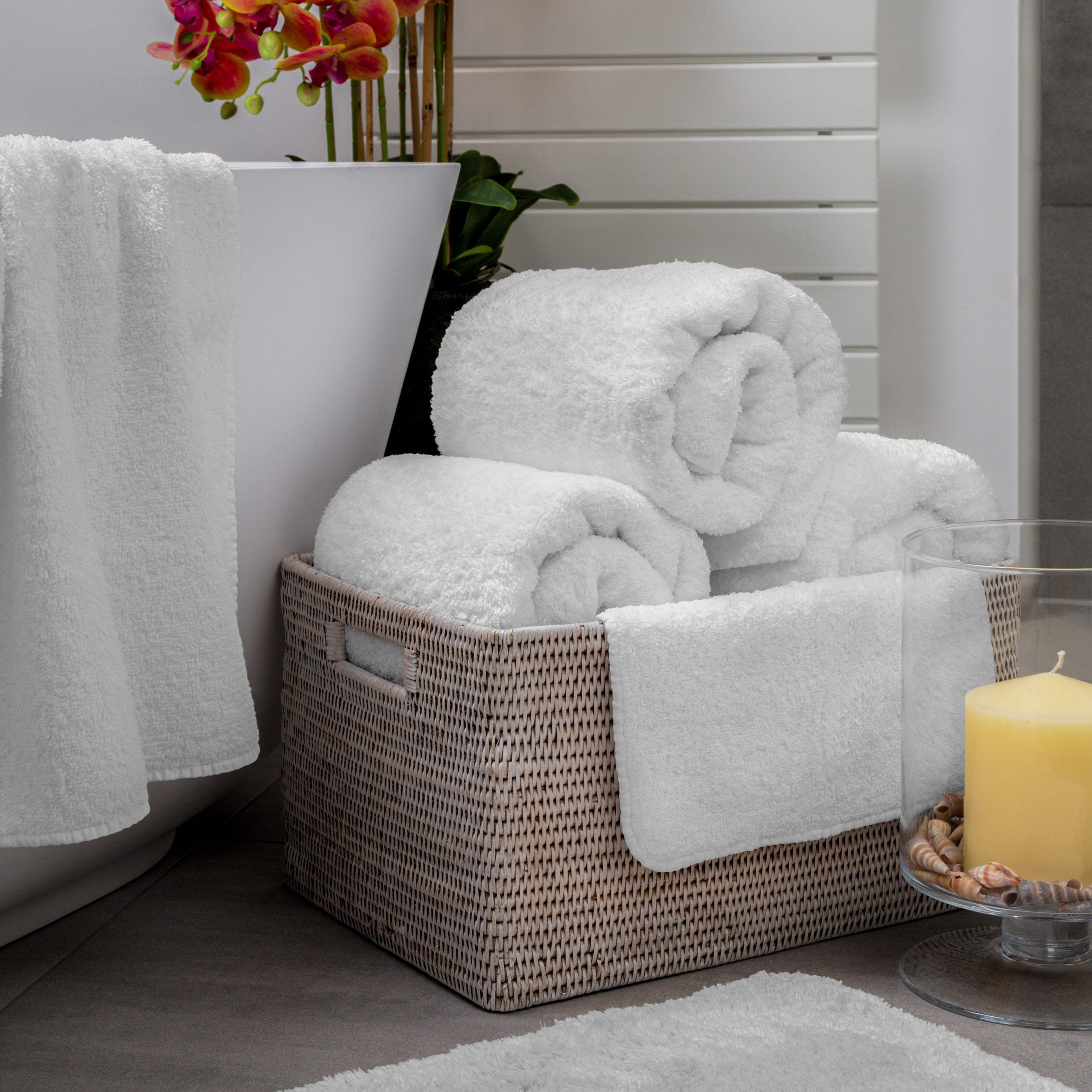
Egyptian cotton is the more absorbent of the two and the better long term buy. Long staple fibres hold their loft through hot washes and tumble drying, which matters because a pedestal mat needs washing more often than any other textile in the bathroom. The pile stays plush, the cut out holds its shape, and the weight of the mat keeps it flat without relying on the backing alone. Good cotton pedestal mats last five to ten years with regular washing.
Synthetic mats are cheaper up front and often printed with busier patterns, but they flatten under foot pressure, lose their shape at the cut out, and pill visibly after a handful of washes. They also hold onto damp smells that cotton releases in the wash. For a main bathroom, the cotton route pays back quickly. For a second or guest cloakroom that sees lighter use, a synthetic option can be fine.
About the Woods pedestal mat range
Woods has supplied English homes with bathroom cotton since 1733. The pedestal and bath mats in our current collection are woven by long standing heritage partners, each mill selected for the specific weight and finish that performs best in regular bathroom use. Every mat is machine washable, colour fast to sixty degrees, and built to the same cotton standards as the towels we stock across the rest of the site. For first notice of new colours, restocks and seasonal bathroom edits, you can join the Heritage Partnership.
Non-slip backing and why it matters
A pedestal mat moves more than a standard bath mat because feet pivot on it rather than stepping across. If the backing is wrong, the mat walks across the floor by the end of the week.
Look for a latex or rubber dot backing rather than a smooth rubber sheet. The dot pattern grips tile and stone without sticking to underfloor heating or leaving marks on painted wood. A smooth rubber back traps moisture and can discolour lighter floors over time.
Some pedestal mats are sold without a backing, particularly heritage Turkish cotton styles. These are beautiful but only suit bathrooms with carpet or textured stone, where the weave grips naturally. On a smooth tile or vinyl floor, a backing is not optional.
Coordinating with your bath mat
The easiest route is buying a matching bath and pedestal mat set from the same maker. The cotton, weave and colour will line up exactly, which matters because subtle tonal mismatches are more obvious in a small bathroom than anywhere else in the house. Our bath mats collection and pedestal mats collection are built to coordinate, with the same cotton weights and colour range across both.
If you prefer a non matching look, stay within a tight palette. A white pedestal mat with a stone coloured bath mat reads as intentional. A white pedestal mat with a bright navy bath mat reads as two separate purchases. The finish of the cut out edge is also worth checking: a bound, stitched edge holds up through washing where a simple overlocked finish frays within a year.

Care and washing
Pedestal mats need washing weekly at minimum, and at sixty degrees rather than the forty most people use for towels. The location, next to a toilet, means there is no sensible alternative. Good cotton mats are built for this and will happily go through the wash two or three times a week without the pile suffering.
Tumble dry on a medium heat to lift the pile back up. Line drying flattens the fibres and leaves the mat stiff. Avoid fabric softener, which coats the cotton and reduces absorbency over the life of the mat. If the non slip backing feels tacky after several washes, a cold rinse without detergent will clean it up.
Sets versus buying separately
A matching bath and pedestal mat set saves money and guarantees a coordinated finish, but it does commit you to replacing both at the same time. Pedestal mats wear faster than bath mats because they see more pivoting foot traffic and more frequent washing. If you tend to keep bathroom textiles for five years plus, buying the pedestal mat separately and replacing it once mid cycle can work out better long term.
The other case for buying separately is when you already have a bath mat you love and just need a pedestal to finish the look. Our guide to luxury bathroom mats covers how to pair colours and weights when you are working from an existing piece rather than starting fresh.
Closing
A good pedestal mat is a small purchase that meaningfully changes how a bathroom looks and feels underfoot. Measure the base carefully, choose cotton over synthetic where the budget allows, and check the backing suits your floor. Shop the full pedestal mats collection for sizes and colours, and browse the bath mats collection to pair them properly.