How to Choose and Style Table Runners for Your Table
A good table runner does more than decorate a table. It softens a hard surface, gives the eye a natural line to follow down the centre, and brings the whole setting together without trying too hard. Whether you are dressing a long dining table for Sunday lunch or finishing a sideboard, the right runner makes everything feel considered.
Table runners are one of those pieces people often hesitate over, but the choice is usually simpler than it seems. It comes down to three things: size, fabric, and how the runner works with the rest of your table linen. Get those right and the whole table feels easier.
Getting the size right
A table runner that is the wrong size will never look quite right, no matter how beautiful the fabric is. Two measurements matter most: width and length.
Width
A standard table runner usually sits between 30 and 45 cm wide. Anything narrower can look slight on a wider table, while anything broader starts to behave more like a tablecloth. As a general rule, the runner should cover around a third of the table’s width, leaving enough space on either side for plates, glasses and serving pieces. On a typical 90 cm dining table, 35 to 40 cm is usually the sweet spot.
Length
There are two classic approaches. The more traditional look allows the runner to fall over each end of the table by around 25 to 30 cm, which creates an elegant drop. The more contemporary approach is for the runner to finish flush with the ends of the table. Both can work beautifully. The one thing to avoid is a runner that stops awkwardly short and leaves a visible strip of bare table at either end.
Measure your table before you buy. If you have an extending table, measure it closed and fully open, then choose the size that suits the way you use it most often.

Choosing the right fabric
Fabric is where a table runner begins to show its character. The three classic choices are linen, cotton and damask, and each creates a slightly different mood.
Linen
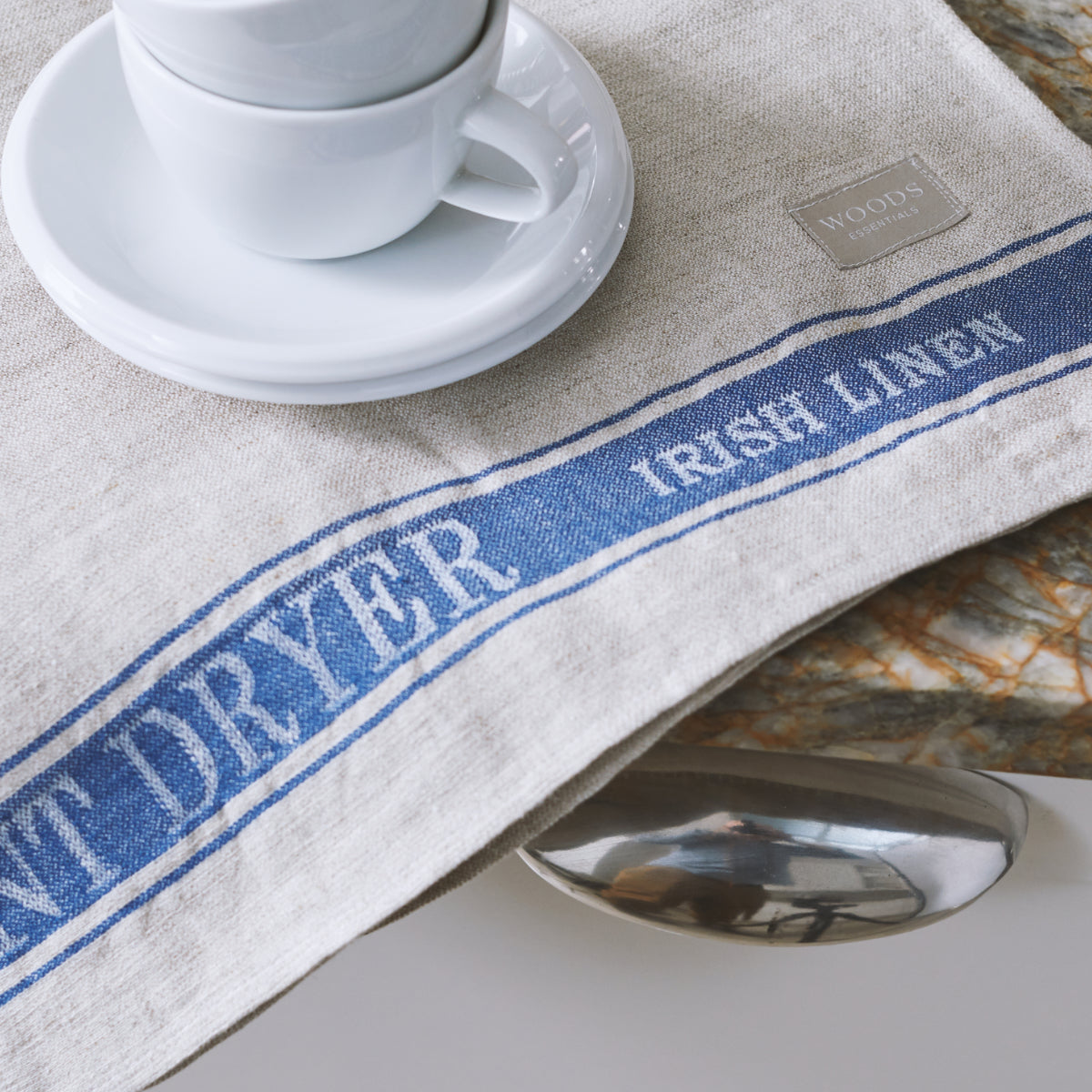
Irish linen is an excellent choice if you want a runner that will outlast trends and still look better with time. It has a gentle slub, a natural weight, and a relaxed elegance that drapes beautifully over the table. Linen creases, but in the right way. The texture feels soft and lived in rather than crumpled, and it settles naturally under the warmth of plates and candlelight.
A linen table runner works just as well for formal dinners as it does for slower weekend lunches. It is one of the most versatile fabrics you can choose.
Damask
Damask belongs to the language of formal dining. Its woven pattern catches the light as you move around the table, and the finish has a subtle sheen that immediately signals occasion. If you set the table for Christmas, Easter, anniversaries or dinner parties, damask earns its place. It holds its shape beautifully and looks as good by candlelight as it does in daylight.
Cotton
Cotton runners are often the easiest choice for everyday life. They wash well, dry quickly, and cope calmly with spills, family meals and regular use. If you have young children, or a kitchen table that works hard throughout the day, cotton is often the practical answer. It also takes colour beautifully, which makes it a good choice if you want stripes, pattern or a stronger tone rather than a quiet neutral.
Styling with and without a tablecloth
A table runner can sit directly on a bare table or be layered over a cloth. Both are right. It simply depends on the look you want.
A runner on a bare wooden table feels more modern and more relaxed. It works particularly well if the table itself is beautiful and deserves to be seen. For Sunday roasts, suppers in the kitchen or long weekend brunches, a linen runner in white, oatmeal or soft grey paired with simple napkins looks effortless.
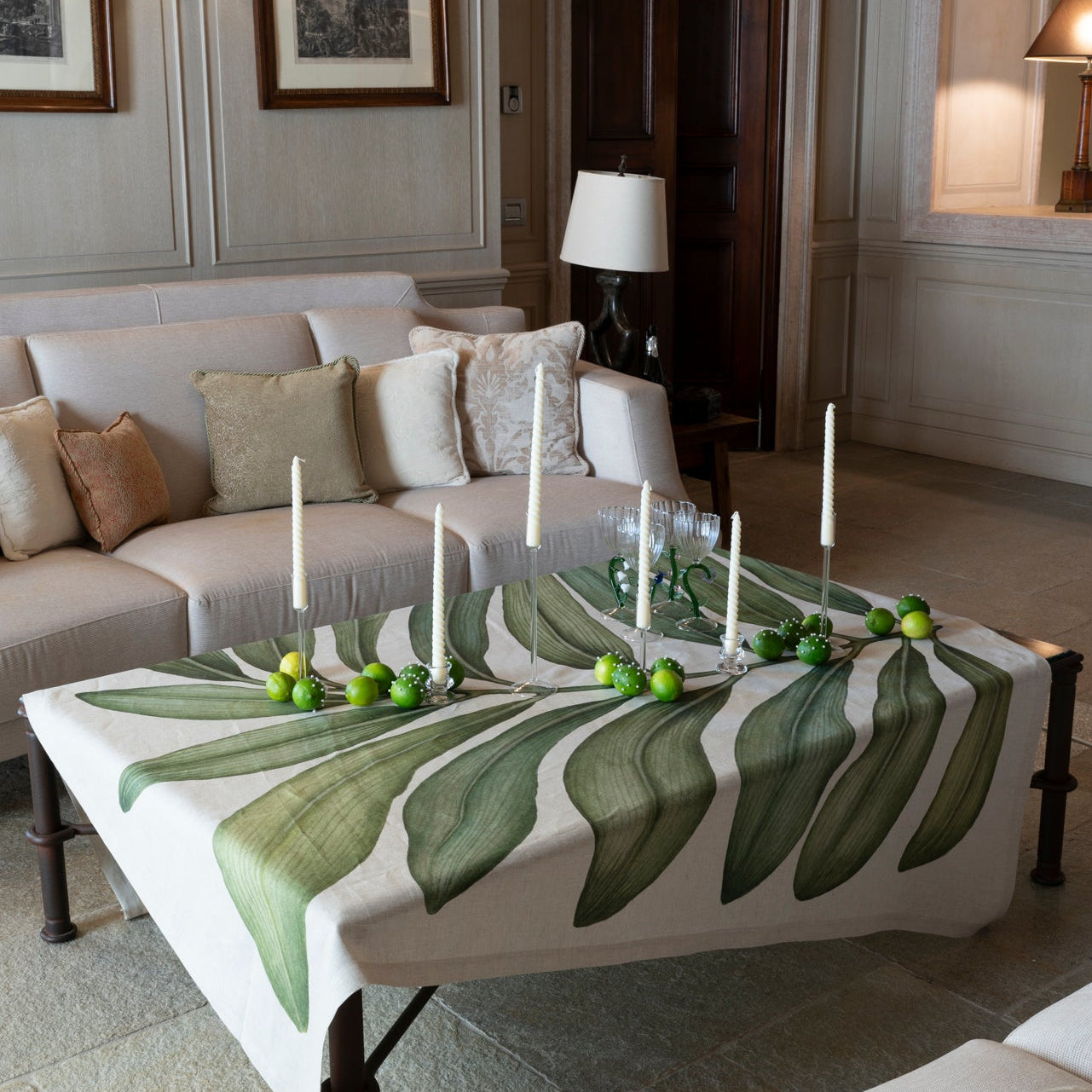
A runner layered over a tablecloth feels more formal and more traditional. It sits down the centre of the table, often in a contrasting colour or richer weave, and creates a base for candles, serving dishes, flowers or glassware. It also helps protect the cloth underneath and gives the whole setting more visual structure. If you are unsure how to layer everything properly, our guide to setting a table is a useful place to start.
For a broader look at how runners sit alongside napkins, placemats and cloths, the perfect table linen guide is well worth reading.

Formal or everyday
The simplest way to think about it is this: white linen and damask for more formal settings, coloured cotton or natural linen for everyday use. In practice, the line is softer than that. A natural linen runner with good cutlery and proper glasses can carry a formal dinner beautifully. A damask runner brought out for Sunday lunch can make an ordinary meal feel special.
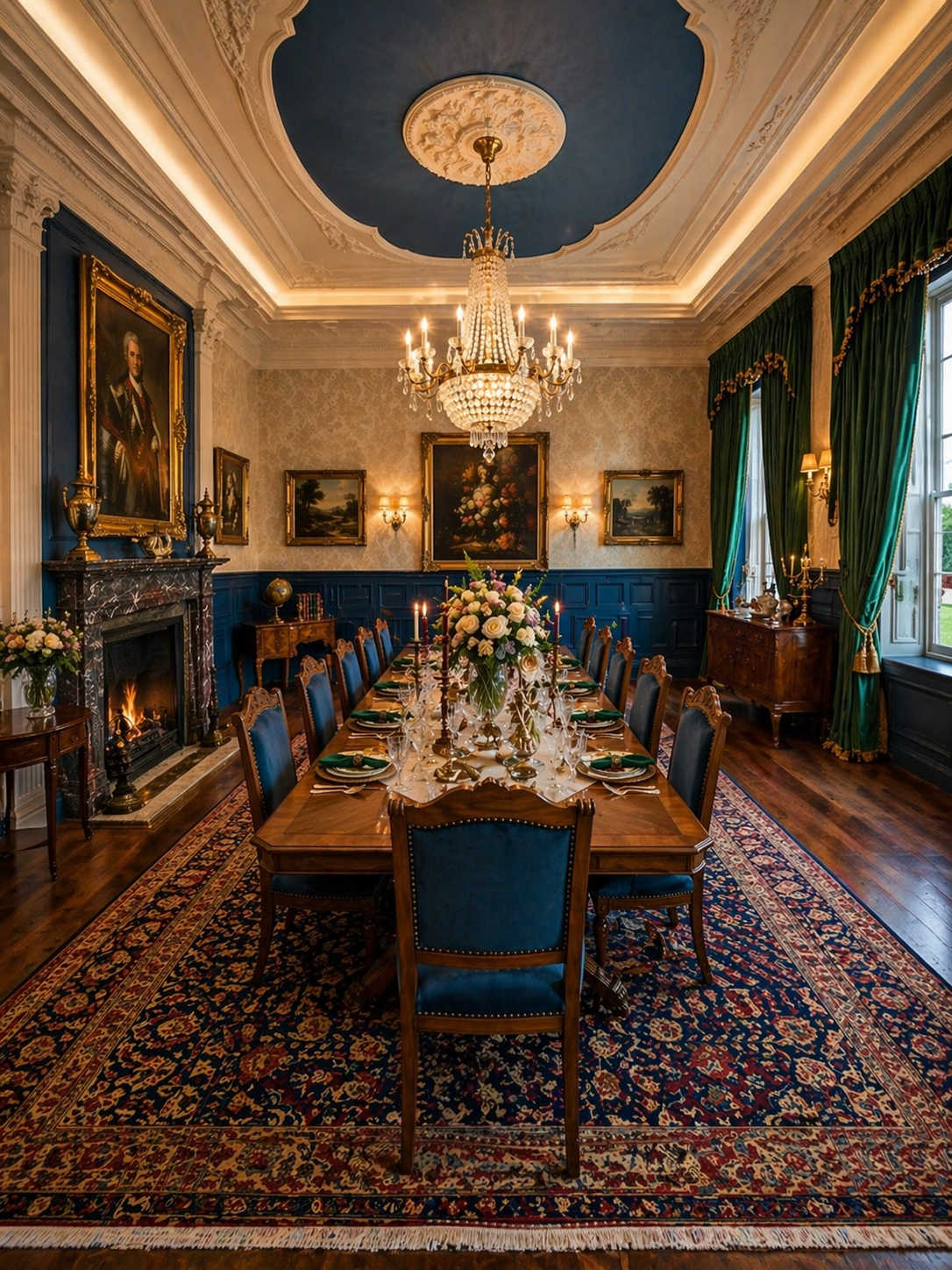
What really changes the mood is what you place on top. For a more formal table, keep the centre styling restrained with candlesticks, low flowers and enough open space to let the table breathe. For everyday, think about the objects you genuinely want close to hand: bread boards, jugs of water, bowls of fruit, serving dishes. The runner provides the structure. The pieces on top provide the personality.
Caring for your table runner
Linen and cotton runners can usually be washed in a domestic machine on a cool wash. Wash similar colours together, avoid fabric softener, and iron while the fabric is still slightly damp for the best finish. Damask benefits from a gentler approach: cool wash, line dry where possible, and iron on the reverse to protect the woven pattern.
Stains are easier to deal with when treated quickly. Blot rather than rub, rinse from the back of the fabric, and avoid hot water on protein based stains such as food or wine. With sensible care, a well made linen or damask runner can give you decades of use.
Where to start
If you are buying your first proper table runner, start with a natural linen in oatmeal, white or soft grey. It will sit easily with almost any china and any cloth you already own, and it will quickly become the one you reach for most often. From there, you can build a fuller collection: a damask runner for occasions, a coloured cotton runner for summer, and perhaps a richer weave for the colder months.
Browse the full table runner collection to see the current range, or explore the tablecloth collection if you are building a more complete table linen set.
A well chosen table runner is one of those quiet pieces that improves everything around it. Once you find the right one, the table feels more finished, more welcoming and much easier to dress well.

A More Considered Way to Dress the Table
If you enjoy the details that make a table feel thoughtful, from the weight of the linen to the way a runner changes the mood of the whole setting, the Heritage Partnership is a lovely way to stay connected. Members hear about new arrivals, seasonal table linen, and carefully chosen pieces before they appear more widely, along with occasional notes on styling, craftsmanship and the makers behind the collection. It is a quiet, considered way to discover what is new and find inspiration for the table throughout the year.