Authentic Egyptian Cotton: How to Read Labels and Provenance With Confidence
Egyptian cotton is one of the most borrowed names in the textile world, and to understand why it is worth borrowing you have to go back to the fibre itself. This is the story of where authentic Egyptian cotton comes from: the extra-long staple Giza varieties grown in the Nile Delta, why that fibre length matters so much to the cloth it becomes, and how the Cotton Egypt Association came to certify and defend the name. If you want a quick set of checks to run before buying, our practical guide covers that; this page is about provenance, and why it deserves protecting.
Where authentic Egyptian cotton comes from
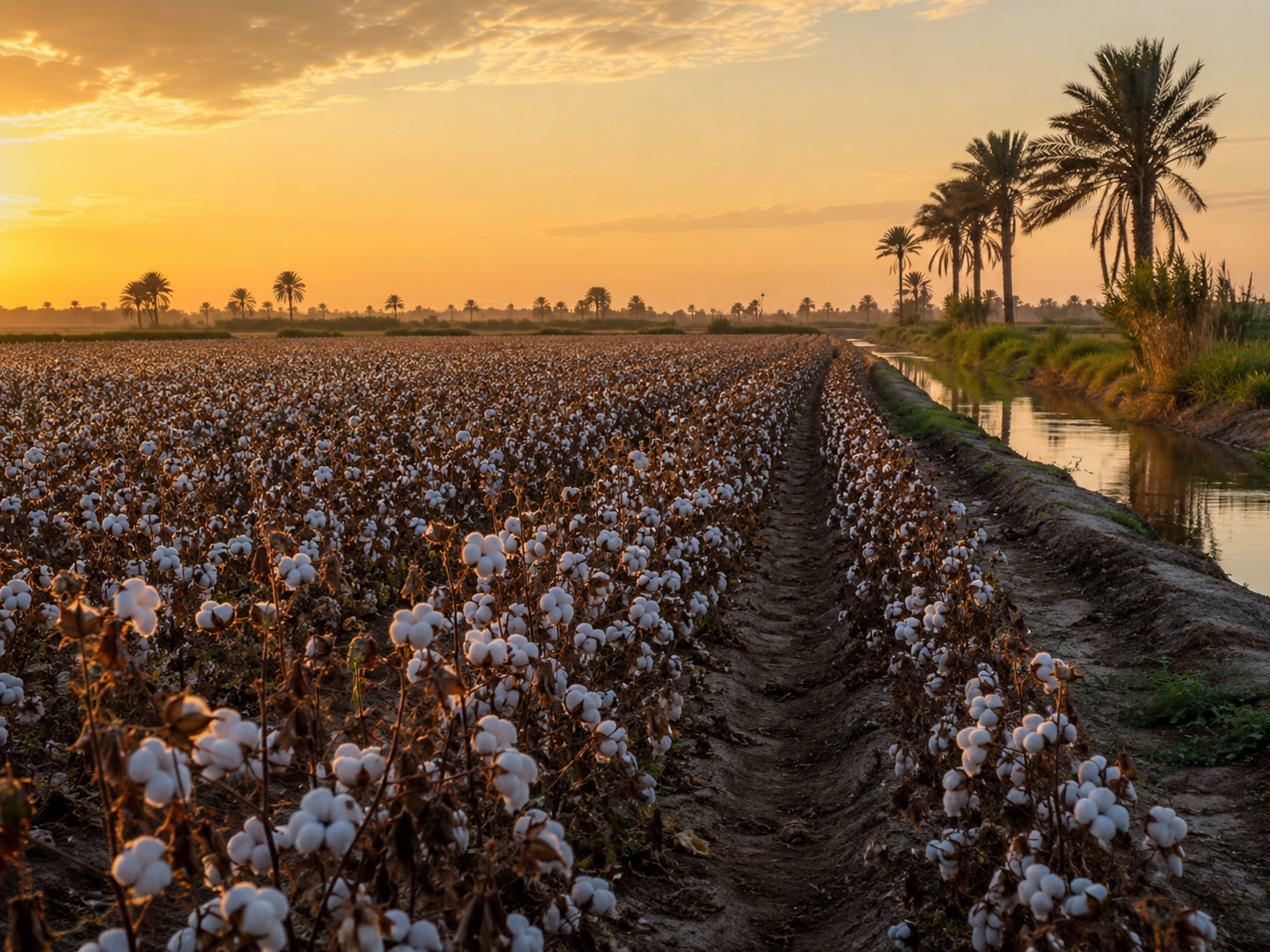
Genuine Egyptian cotton is grown in the Nile Delta, where millennia of seasonal flooding built some of the most fertile soil on earth. The climate does the rest: long, warm days, gentle nights and steady irrigation from the river's canals let the cotton plant grow slowly over roughly seven months, far longer than commodity cotton is given elsewhere. Slow growth produces long fibre. The bolls are still largely picked by hand at harvest, which keeps the delicate fibres intact in a way mechanical stripping cannot.
Giza cotton and the meaning of extra-long staple

The finest Egyptian varieties carry the Giza name, numbered strains cultivated and refined over generations, and they belong to the small family of extra-long staple cottons. Staple simply means the length of the individual fibre. Where ordinary cotton fibres measure well under an inch, the best Giza fibres run considerably longer, and that difference decides everything downstream. Longer fibres can be combed and spun into finer, stronger, more even yarns with fewer exposed ends, and those yarns become cloth that is smoother to the touch, more resistant to pilling, and capable of decades of laundering.
Why the name needed defending
A name that valuable invites imitation, and for years the words Egyptian cotton were applied to products containing little or none of it; independent fibre testing in the 2010s found mislabelling to be widespread across the industry. The Cotton Egypt Association was established to protect the heritage, licensing an accredited Egyptian Cotton trademark, tracing the supply chain from field to finished product, and in recent years backing its accreditation with laboratory verification, including DNA testing of the fibre itself. When you see the licensed mark, it means the chain behind the product has been vouched for.

Grown in Egypt, woven around the world
Provenance describes the fibre, not the factory, and the two are often an ocean apart. Egyptian-grown cotton is exported to the great weaving houses, spun and woven in Lancashire, Tuscany and beyond, and that is not a compromise but the tradition working as it should: the Delta grows the finest fibre, and the finest mills turn it into cloth. What matters is that both parts of the story are told honestly, with fibre origin and manufacturing country each stated in their own right.
Reading the label: the short version
- Fibre origin stated plainly, not implied by styling words like 'Egyptian quality'.
- A recognised Egyptian Cotton accreditation where the maker holds one.
- Manufacturing country identified separately from fibre origin.
Ready to put this knowledge to work? Our buyer's guide, The Egyptian Cotton Receipt, walks through exactly what to check on a label, which marks to trust and what the price should tell you.

Egyptian cotton at Woods
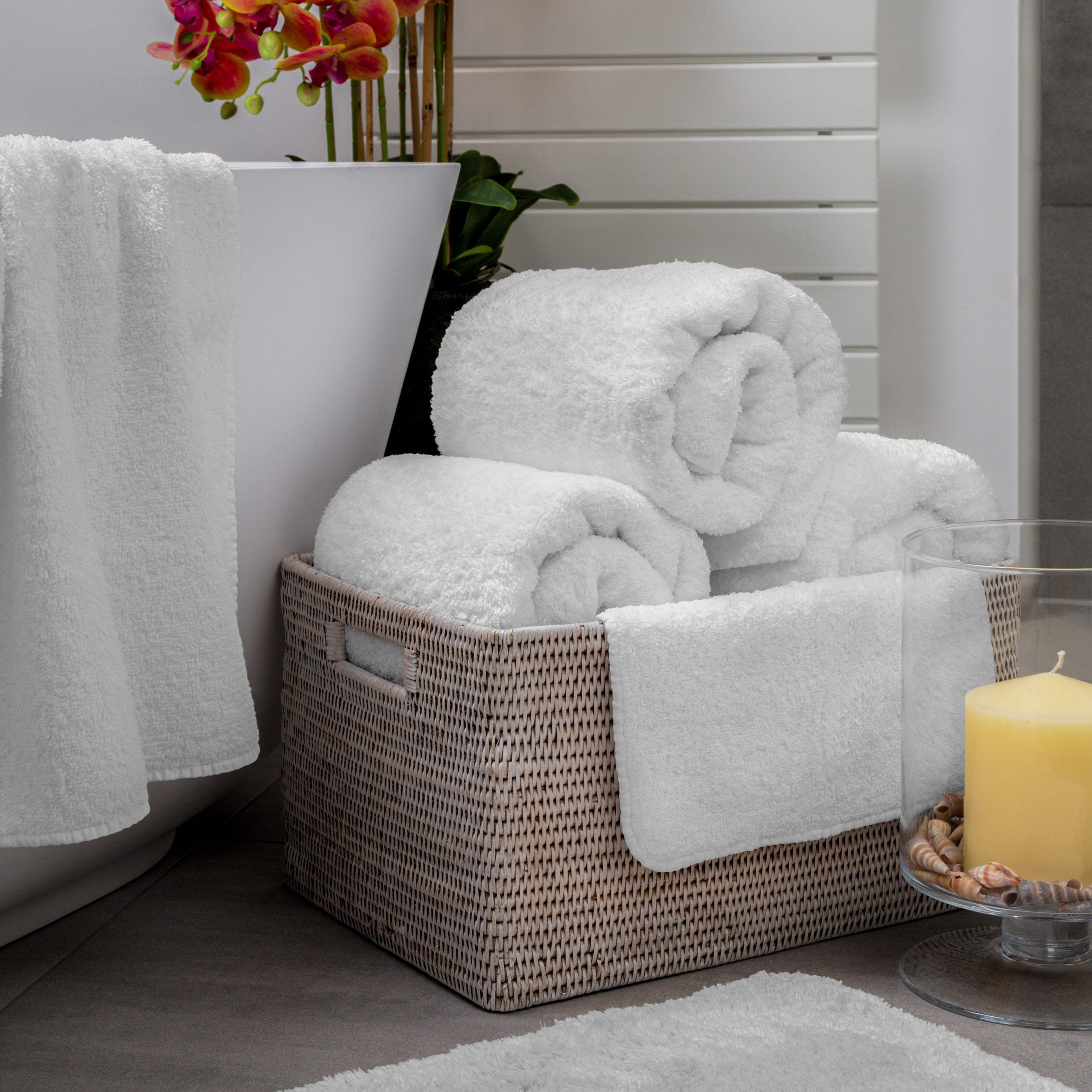
We have been judging cloth since 1733, long enough to know that provenance is not romance but the foundation of everything we sell. Our Egyptian cotton bed linen collection brings together genuine long-staple cloth from Peter Reed, Pratesi and the Woods own label. Provenance is a story best followed over time, and the Heritage Partnership is where we tell it: members receive previews of new Egyptian cotton weaves as they arrive from the mills, notes on the makers and fibres behind each collection, and first word on limited releases. You are warmly invited to become a member, and to share in a tradition we have been safeguarding since 1733.