
Your Bed Sheets Have a 300-Year History (Here’s Why It Matters)
The UK bed linen market is worth an estimated £1.5 billion a year. But walk into most shops and you’ll find the same unhelpful setup: sheets sorted by thread count and colour, with nothing to tell you why one set costs £30 and another costs £300. The industry relies on you not knowing the difference.
This guide is designed to fix that. We’re going to trace the full history of bed linen, from the earliest hand-loomed flax to the Egyptian cotton bedding sets sold today. Along the way, we’ll cover every major topic that affects what you sleep on: fibre types, thread counts, weave structures, fitted sheet engineering, and the modern shift toward transparency and traceability.
Each section links to a deeper guide if you want the full detail on a specific topic. But if you read this page start to finish, you’ll understand more about bed sheets than most people who sell them.
Woods Fine Linens has been part of this story since 1733. Nearly 300 years of watching the industry change. Here’s what that looks like.

What Were Bed Sheets Originally Made From?
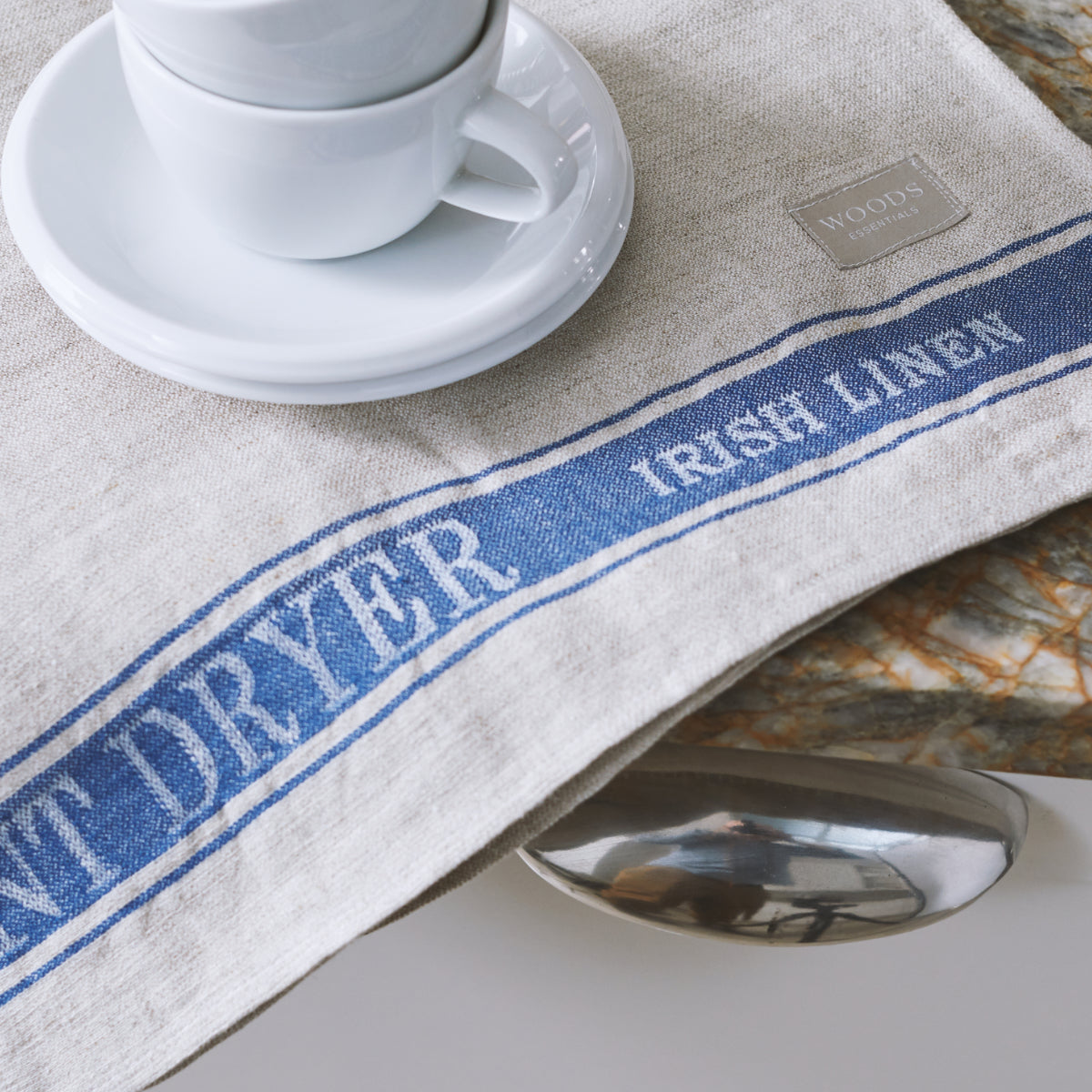
For centuries, bed sheets meant linen. Woven from flax, linen was the dominant bed fabric across Europe from the medieval period through to the industrial age. The word “linens” became shorthand for anything on the bed, and the term stuck long after the fabric itself fell out of common use.
In the 1700s, the finest households stocked their cupboards with Irish and Flemish flax. These bed sheets were tough and coarse until they’d been washed dozens of times. But once broken in, linen had a breathability and durability nothing else could match. Families passed sheets down through generations. They appeared in wills. The quality of your bed linens was a statement about your household.
Here’s the detail people miss about this era: bed linens were always treated as an investment. Cheap sheets that look acceptable for six months and then pill or thin out? That’s a modern invention. For most of history, nobody would have accepted it, because fabric was expensive and labour-intensive to produce.
When Did Cotton Replace Linen for Bed Sheets?
The 1800s changed everything. Mechanised spinning and weaving made fabric dramatically cheaper. And cotton from Egypt, India, and the American South flooded the British market.
Cotton was softer than flax from the very first wash. It took dye more readily and could be woven into a wider range of textures. By the early 1900s, cotton had overtaken linen as the default for bed sheets in most British households.
But not all cotton was equal. Only about 3% of the world’s cotton production is extra-long-staple (ELS), the premium fibre that made Egyptian cotton famous. The Nile Delta’s unique growing conditions, hot days, cool nights, and nutrient-rich soil, produce fibres that are measurably longer, stronger, and silkier than anything grown elsewhere. Longer fibres mean smoother yarn, fewer joins in the thread, and a finished fabric that feels noticeably finer.
That’s why Egyptian cotton remains the benchmark for quality nearly two centuries later. Our full guide to luxury Egyptian cotton bed linen goes deeper into what makes ELS cotton different, how to tell genuine Egyptian cotton from imitations, and why fibre length matters more than any other single factor in how a bed sheet feels and ages.

When Was the Fitted Sheet Invented?
Before the late 1950s, every bed used flat sheets, tucked with hospital-corner precision every morning. Making a bed properly was a five-minute job.
The fitted sheet, first patented in the late 1950s, changed that overnight. An elasticated edge that gripped the mattress and stayed put. Making the bed dropped to thirty seconds.
What most people don’t realise is that quality differences in fitted sheets are more pronounced than in flat sheets. The depth of the elastic pocket, the tension of the elastic, and the precision of the fit relative to your mattress depth all determine whether the sheet stays smooth or pings off the corners at 2am. If you’ve ever struggled with a fitted sheet that doesn’t stay put, our guide on how to measure your mattress for the ideal fitted sheet explains exactly what to look for and why depth matters more than most people think.
Does Thread Count Actually Matter?
By the 1980s, the bed sheet industry needed a number to market on. Thread count became that number. It measures how many threads are woven into one square inch of fabric. In genuine single-ply fabric, counts between 200 and 600 do represent a real, perceptible range of quality.
The problem is that thread count became an arms race. Manufacturers found ways to inflate the number by twisting multiple thinner plies together and counting each ply separately. That’s how 1,000-thread-count sheets appeared at budget prices. The number was technically accurate but practically meaningless.
This is a topic worth understanding properly before you buy. Our full guide on thread counts through time explains exactly how the numbers work, where the industry went wrong, and what actually defines luxury at different price points. The short version: a 400-thread-count Egyptian cotton sheet will outperform a 1,000-thread-count sheet made from short-staple cotton every time. The fibre matters more than the number.

What’s Changed About Bed Sheets in the Last 20 Years?
The biggest shift is that buyers have become more informed. People now ask about weave type, fibre origin, and finishing techniques in a way that didn’t happen two decades ago. Three developments in particular have changed how people choose bed sheets.
Weave type has become a decision point. The two most common weaves for bed sheets are percale (crisp, cool, matte) and sateen (smooth, warm, subtle sheen). They feel completely different against the skin and suit different sleepers. If you’re not sure which is right for you, our comparison of percale vs sateen for Egyptian cotton bed linen walks through the differences and helps you decide.
Linen bedding has made a comeback. Modern linen is pre-washed and softened before it reaches you, removing the years-long breaking-in period that put people off in earlier eras. For anyone who loves a relaxed, textured look and natural temperature regulation, our guide to why linen bedding is the luxury choice for sleep explains what makes it different from cotton and who it suits best.
Transparency and traceability have improved. Provenance labelling and certifications mean you can now trace where your cotton was grown and how it was processed. But not every product labelled “Egyptian cotton” is genuine. Our guide on how to spot authentic Egyptian cotton bedding explains what to look for and what the red flags are.
What Should You Look for in Bed Sheets Today?
Nearly 300 years of bed linen history boil down to one principle. The sheets that lasted, that felt best, and that people valued most were always made from the best available fibre, woven with care, and finished properly. The specific fibre changed. The looms changed. But the principle held.
When you’re choosing bedding sets and bed linens today, the same fundamentals apply. Start with fibre origin. Understand the weave. Check the fitted sheet depth against your actual mattress. And trust how the fabric feels in your hand over any number on the packaging.
For a complete walkthrough of every decision point, from fibre origin to weave type to sizing, our Luxury Bedding Buyer’s Guide pulls everything together in one place. It’s the practical companion to this page: where this guide gives you the history and context, the Buyer’s Guide gives you the step-by-step framework for making a confident purchase.

Explore the Full Bed Linen Library
This guide is the starting point. Each topic we’ve covered above has a dedicated article that goes into the full detail:
• Egyptian Cotton Bed Linen – why ELS fibre matters and how to choose the real thing
• Thread Counts Through Time – how the numbers work, where the industry went wrong, and what to look for
• Percale vs Sateen – how the two main weaves differ and which suits your sleep style
• Precision Fit for Fitted Sheets – why mattress depth matters and how to measure yours
• Linen Bedding: The Luxury Choice – what makes linen different from cotton and who it suits
• How to Spot Authentic Egyptian Cotton – the red flags and what genuine labelling looks like
Nearly 300 years of sourcing, testing, and refining bed linen has taught us that there are no shortcuts to quality. The best bed sheets in 1733 were made from the finest available flax, woven carefully, and built to last a lifetime. The best bed sheets in 2026 are made from the finest Egyptian cotton, woven with the same care, and engineered to feel better with every wash. The technology has changed. The principle has not.
If you’re ready to explore, browse our full bed linen collection, where every piece is chosen with that 300-year perspective in mind. Whether you’re replacing a tired set of sheets, upgrading to Egyptian cotton for the first time, or building a complete bedding set from scratch, the right starting point is understanding what you’re buying and why it matters. That’s what this guide is for, and it’s what Woods has always been about.
For the full story behind the fabrics we choose, our sourcing decisions, and early access to new collections, join the Heritage Partnership. It’s where we share the detail that doesn’t always fit on a product page: the provenance of the cotton, the reasoning behind a weave choice, the seasonal pieces we’re most excited about. If the craft behind your bed linen matters to you as much as the comfort, you’ll feel at home there.
Frequently Asked Questions
How long should a good set of bed sheets last?
With proper care, high-quality Egyptian cotton bed sheets should last three to five years of regular weekly use. Lower-quality sheets often show pilling and thinning within six to twelve months. The key factors that determine longevity are fibre length (longer staples resist wear), weave tightness, and washing at the temperature recommended on the care label. Tumble-drying on a high heat setting is the single biggest accelerator of wear.
Is Egyptian cotton actually better than other cotton?
Yes, and the difference is measurable. Egyptian cotton’s extra-long-staple fibres (35mm and above) produce smoother, stronger yarn than short-staple cotton (typically under 25mm). The result is fabric that feels finer against the skin, pills far less, and gets softer with washing rather than rougher. Only around 3% of global cotton production is extra-long-staple, which is why genuine Egyptian cotton commands a premium.
Why do some expensive sheets still feel rough?
Usually because the thread count has been inflated through multi-ply counting while the underlying fibre is low quality. A 1,000-thread-count sheet made from short-staple cotton will feel worse than a 400-thread-count sheet made from genuine long-staple Egyptian cotton. The fibre quality and the spinning method matter far more than the headline number. Always check whether thread count refers to single-ply or multi-ply construction.
What’s the difference between percale and sateen bed sheets?
Percale is a one-over, one-under weave that gives a crisp, cool, matte finish. It breathes well and suits people who sleep warm or prefer a classic hotel feel. Sateen is a four-over, one-under weave that produces a subtle sheen and a silkier, heavier drape. It suits people who prefer a softer hand feel and a warmer sleep surface. Neither is objectively superior; the right choice depends on your preference and the season.