





Summer Bedding Care and Layering Tips for Cool, Comfortable Sleep
When temperatures rise, even the most beautiful bed can feel uncomfortably warm. The good news is that cool, comfortable summer sleep comes down to three things you can control: the fibres against your skin, the weight of what sits on top of you, and how you wash and refresh everything in the heat. Here is how to get all three right.

Choose Breathable Fibres for Summer
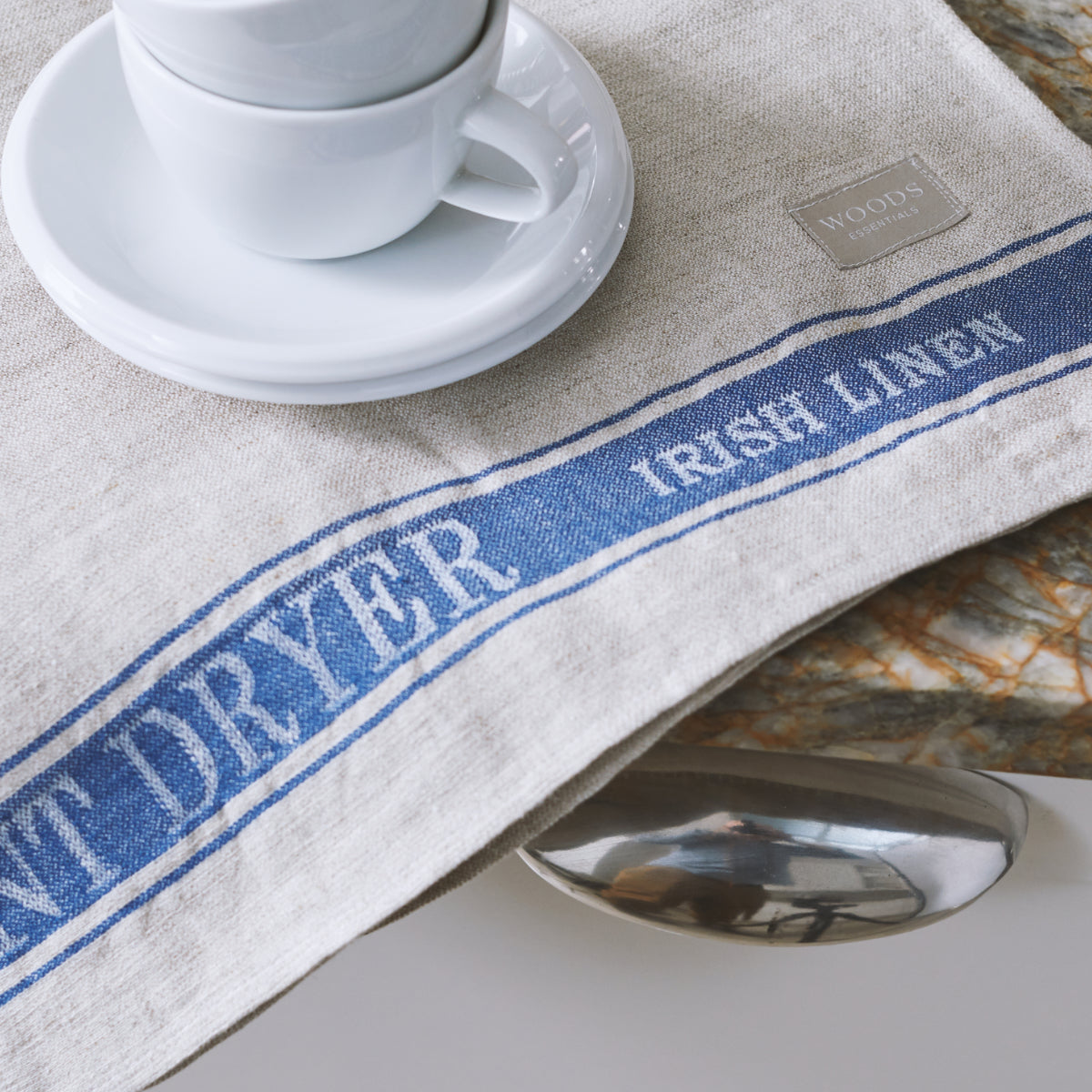
The single biggest difference you can make is fibre choice. Pure linen is the classic warm weather fabric: the flax fibre wicks moisture and lets air circulate, so the bed never feels clammy on close, humid nights. Crisp cotton percale is the other summer staple, with a matte, cool touch that many people associate with fine hotels. Explore our linen sheets and pillowcases for the most breathable base layer you can buy.
Summer Tog Guidance
Duvet tog measures insulation, not quality, so summer is simply a case of stepping down. Around 4.5 tog suits most UK bedrooms in high summer, and very warm sleepers may prefer 3 tog or a top sheet alone on the hottest nights. An all seasons duvet makes this effortless, since the lighter layer works alone through July and August. Browse lightweight and all seasons options in our duvet collection.

How to Layer a Bed for Cool Nights
British summer nights swing, so build a bed you can adjust half asleep. Start with a fitted sheet in linen or percale, add a flat sheet you can sleep under alone, then a light duvet folded at the foot of the bed for the small hours. A cotton or linen bedspread pulled loosely over the top keeps the bed looking dressed by day and adds a whisper of warmth when a cool front comes through.
Washing and Refreshing Bedding in the Heat
Heat means more frequent washing, and summer is kind to laundry. Wash at 30 to 40 degrees with a measured dose of liquid detergent, skip fabric softener (it coats natural fibres and reduces breathability), and line dry whenever you can; sunlight naturally freshens and gently brightens whites. Change pillowcases every three or four nights in a heatwave, and air the duvet over a window sill or line on dry mornings.

Summer is one half of the story. For how the same linen carries you into autumn and winter, read our guide to linen bedding for the UK climate.
Seasonal Bedding Guidance, All Year Round
If you would like this kind of seasonal guidance all year round, Heritage Partnership members receive it as a matter of course. Our team shares layering and care advice as the weather turns, previews new arrivals privately before they launch, and offers first access to seasonal pieces while every size and colour is still available. It is a quiet way to keep the bedroom feeling right in every season, from the first warm night of summer to the depths of January.