

9 Ways to Remove Stains From Luxury Tablecloths and Napkins (Without Ruining the Fabric)
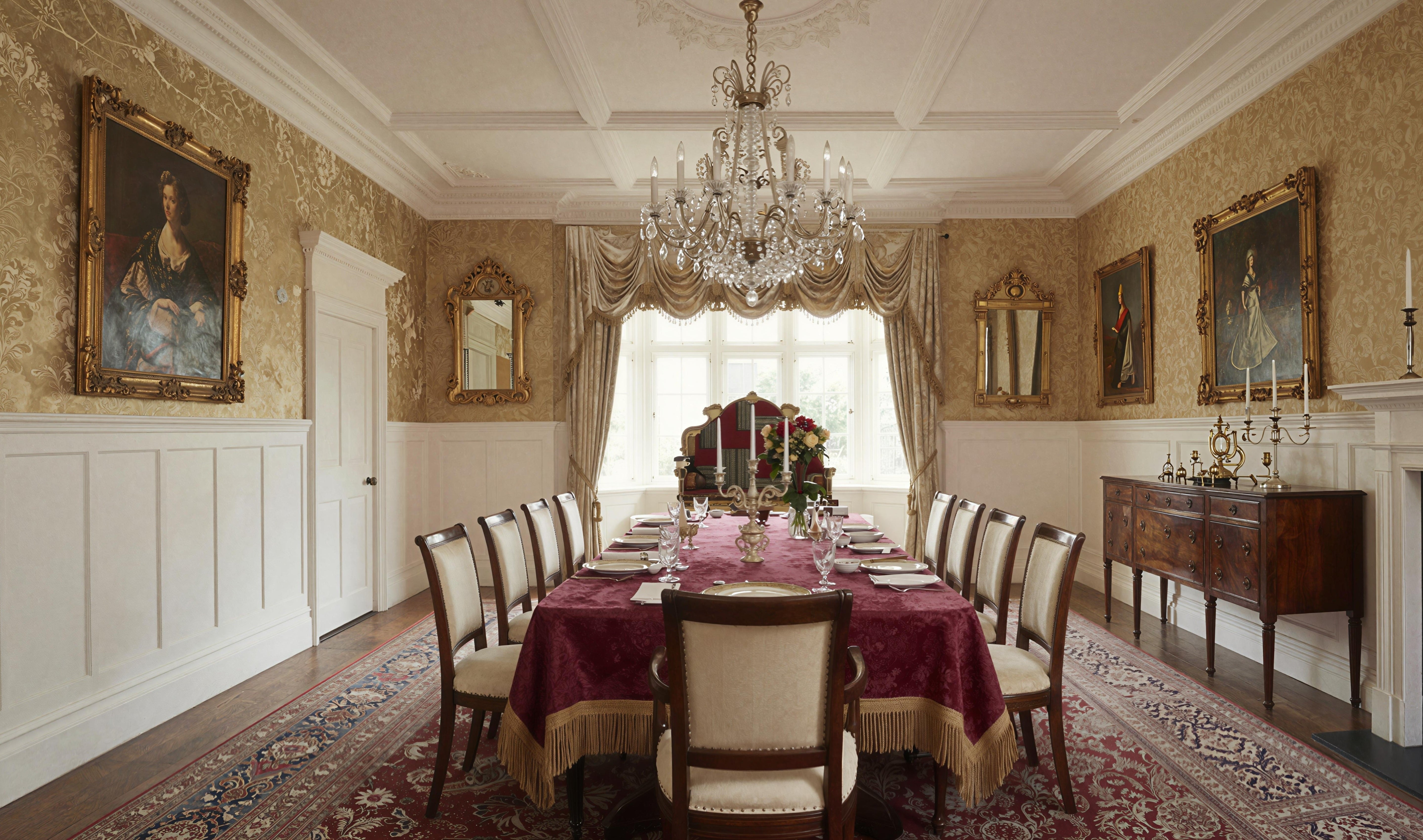
A luxury tablecloth should make a meal feel more beautiful, not more stressful. It should sit quietly in the background while the evening happened. Candles, laughter, second helpings, someone reaching across for the butter. Real life.
Then it happened. A drop of red wine. A glossy smear of sauce. The moment you noticed, your eye never stopped going back to it.
The good news is simple: most stains came out cleanly when you treated them early, kept your approach gentle, and avoided the shortcuts that damaged fine fibres. Luxury linen did not need harshness. It needed the right method, in the right order.
If you are investing in pieces you want to keep for years, explore our table linen collection for tablecloths, runners and napkins made to be used, loved, and properly cared for.

What should I do first when I spill something on luxury linen?
Before you reach for anything strong, do this instead. It saves more table linen than any special product ever will.
-
Blot, do not rub. Rubbing pushed stains deeper into the weave.
-
Lift solids gently. Use a spoon or blunt edge, never a scrape.
-
Rinse from the back if possible. Cool water from the reverse helps push the stain out, not further in.
If you only remember one rule, remember this: treat it before it dries completely. Most “permanent” marks were simply ignored overnight.
1) How do I remove red wine from a luxury tablecloth?
Red wine looked dramatic, but it often lifted beautifully when handled quickly.
-
Blot immediately with a clean cloth.
-
If you are still at the table, sprinkle a little salt to draw out moisture while you finish dinner.
-
Rinse with cool water from the back of the fabric.
-
Apply a small amount of gentle liquid detergent and work it in with your fingertips.
-
Wash on a cool or warm cycle suitable for the fabric.
Avoid hot water at first. Heat can encourage staining to set, especially in natural fibres.
2) How do I remove candle wax from linen tablecloths?
Wax felt like a crisis. It rarely was.
-
Let the wax fully harden. Do not try to wipe it while soft.
-
Lift away what you can with a blunt edge.
-
Place paper towels above and below the wax area.
-
Use a low heat iron with no steam, keeping it moving, so the wax transfers into the paper.
-
Wash afterward to remove any remaining residue.
If a faint tint remains, it is often dye from the candle rather than wax. Treat it gently like a pigment stain and avoid aggressive scrubbing.
3) How do I remove grease or butter marks from table linen?
Oil stains loved waiting. They often looked harmless at first, then darkened later like they had decided to become a personality.
-
Blot excess oil gently.
-
Apply a small amount of washing up liquid directly to the spot.
-
Leave for 10 minutes to break down the grease.
-
Rinse and wash as normal.
Do not tumble dry until the stain has gone. Heat can lock oil into the fibres.
If you use your table linen often, our table cloths are designed to drape beautifully and wear well with careful laundering.

4) How do I remove coffee or tea stains from napkins?
Coffee and tea stains are usually tannin based, which means gentle patience works well.
-
Rinse the stain with cool water.
-
Rub in a small amount of mild detergent.
-
Soak in cool or lukewarm water for 30 minutes.
-
Wash as usual.
For white linens, an oxygen based laundry whitener can help, but always patch test first, especially near embroidery.
5) How do I remove tomato sauce from a tablecloth?
Tomato sauce is a double act. Pigment and oil, working together.
-
Scrape off excess sauce carefully.
-
Rinse from the back with cool water.
-
Pre-treat with washing up liquid or mild detergent.
-
Wash warm if your fabric allows.
If a faint shadow remains, repeat the treatment rather than using harsh bleach. Linen responds better to persistence than force.
6) How do I get foundation or lipstick out of linen napkins?
Make-up is a mix of oils and pigments. The key is to lift it, not spread it.
-
Blot, do not wipe.
-
Apply a small amount of washing up liquid to break down oils.
-
Follow with a gentle detergent wash.
-
Air dry and check before adding heat.
If the napkin is pale and the stain is stubborn, repeat. The second pass often finishes what the first started.
7) How do I remove ink stains from table linen?
Ink needed calm hands and a clean surface underneath.
-
Place paper towels beneath the stain.
-
Dab gently with a small amount of rubbing alcohol on a cotton pad.
-
Replace the paper towel underneath as ink transfers out.
-
Rinse and wash immediately.
Never rub aggressively. Ink spreads fast. You want controlled lifting, not panic.
8) How do I remove berry stains from tablecloths?
Berries stain quickly, but they often lift well if treated immediately.
-
Rinse with cold water from the back.
-
Apply mild detergent and gently work it in.
-
Soak in cool water for 30 to 60 minutes.
-
Wash normally.
Avoid hot water at first. Like red wine, berry pigments can become harder to remove with heat.
9) How do I brighten a tablecloth that has gone dull or slightly yellow?
This is not always “staining”. It is often slow build-up from detergent, minerals in water, or repeated storage.
Try this refresh routine:
-
Wash once on a normal cycle with reduced detergent.
-
Add an extra rinse to remove residue.
-
Dry in fresh air if possible.
-
Store only when fully dry, away from damp.
For white cotton or linen, an oxygen based whitener can help restore brightness, but use it occasionally rather than constantly, and always patch test first.

Can I use bleach on luxury tablecloths and napkins?
In most cases, it is best avoided.
Chlorine bleach can weaken fibres and cause uneven fading, particularly on linen, coloured pieces, or anything with delicate finishing. If you are unsure, choose a gentle detergent and an oxygen based option, and patch test first.
When in doubt, repeat a mild treatment rather than using something aggressive once.
The one rule that saves the most table linen
Do not dry it with heat until you are sure the stain has gone.
Air dry, check in natural light, then wash again if needed. It feels slower, but it prevents stains from becoming permanent.
in Conclusion
Luxury table linen was designed for living, not for preservation. In the best homes, it became more refined with time, its fibres relaxing into a softer handle, its drape growing more assured, and its presence woven almost imperceptibly into the small rituals that made a table feel cared for, from quiet breakfasts to generous, late evening dinners.
If you appreciate this kind of considered practicality, the Heritage Partnership is a natural next step. You will receive early access to new pieces, informed buying guidance, and expert care notes that protect the beauty, structure, and finish of your table linen, so it remains crisp, graceful, and enduringly elegant for years to come.