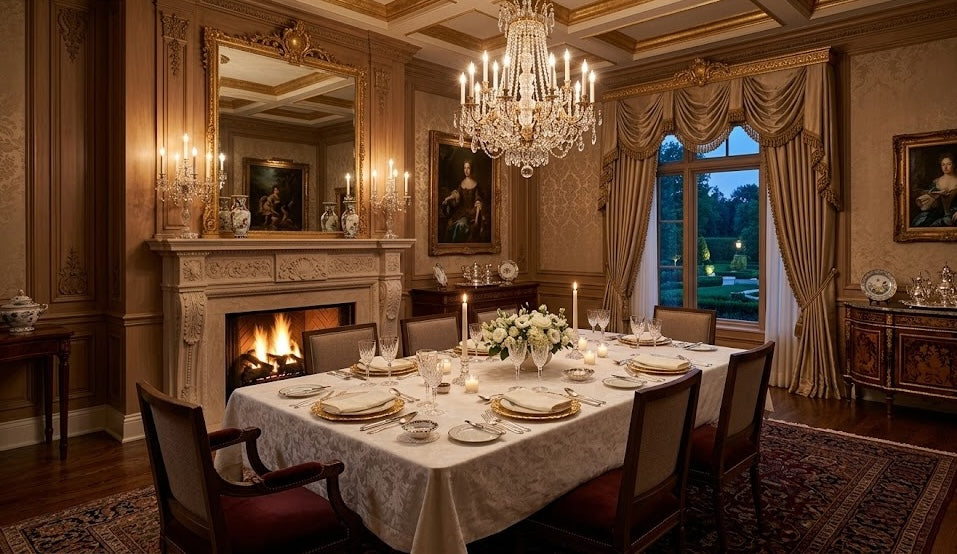
How to Set a Table: A Guide to Formal and Everyday Place Settings
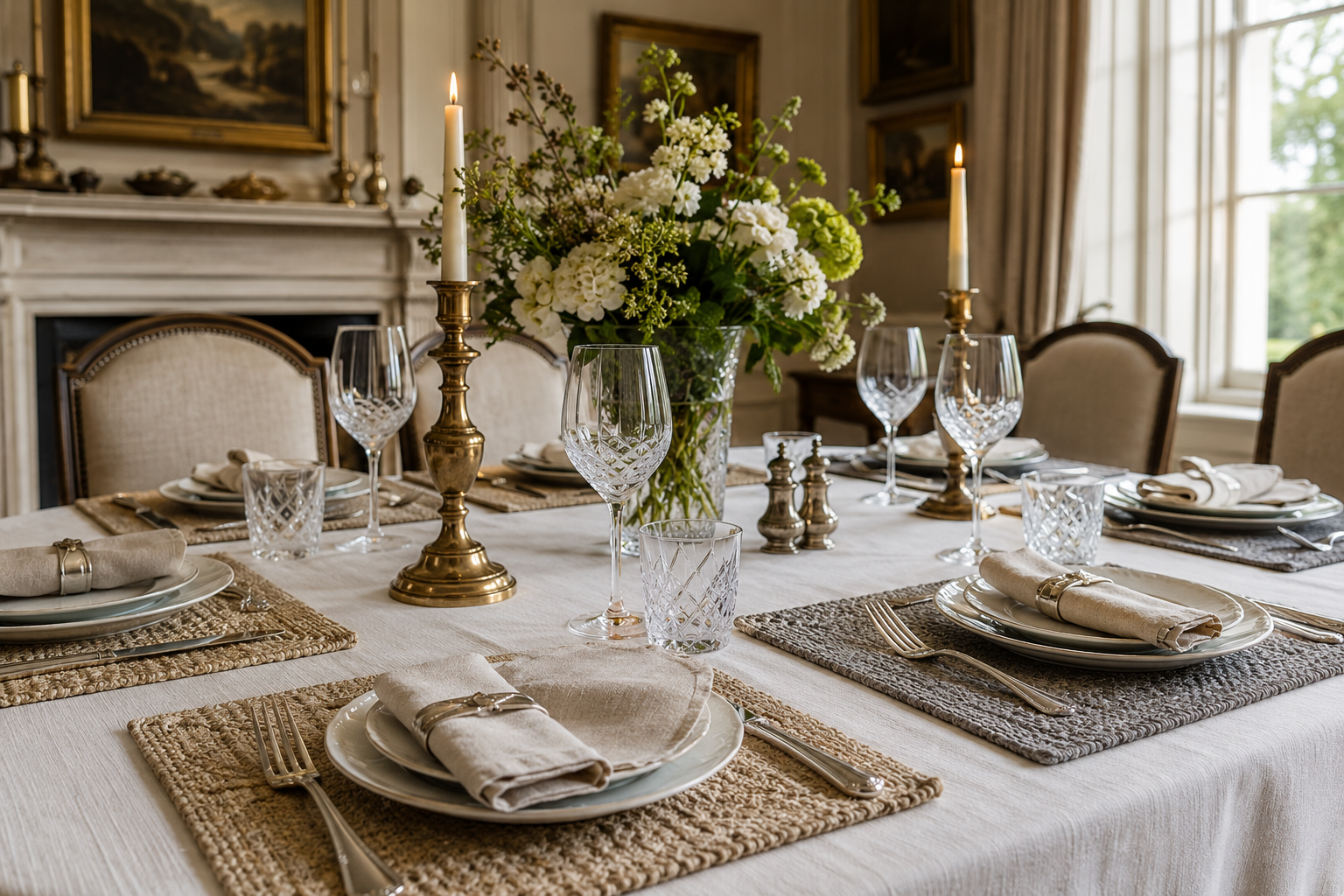
To set a table, lay the placemat or charger, then centre the dinner plate. Place forks to the left and the knife, with the blade facing inwards, and spoon to the right, working from the outside in according to the order in which the courses are served. Set the side plate to the upper left, glasses to the upper right above the knife, and the napkin on the plate or to the left of the forks.
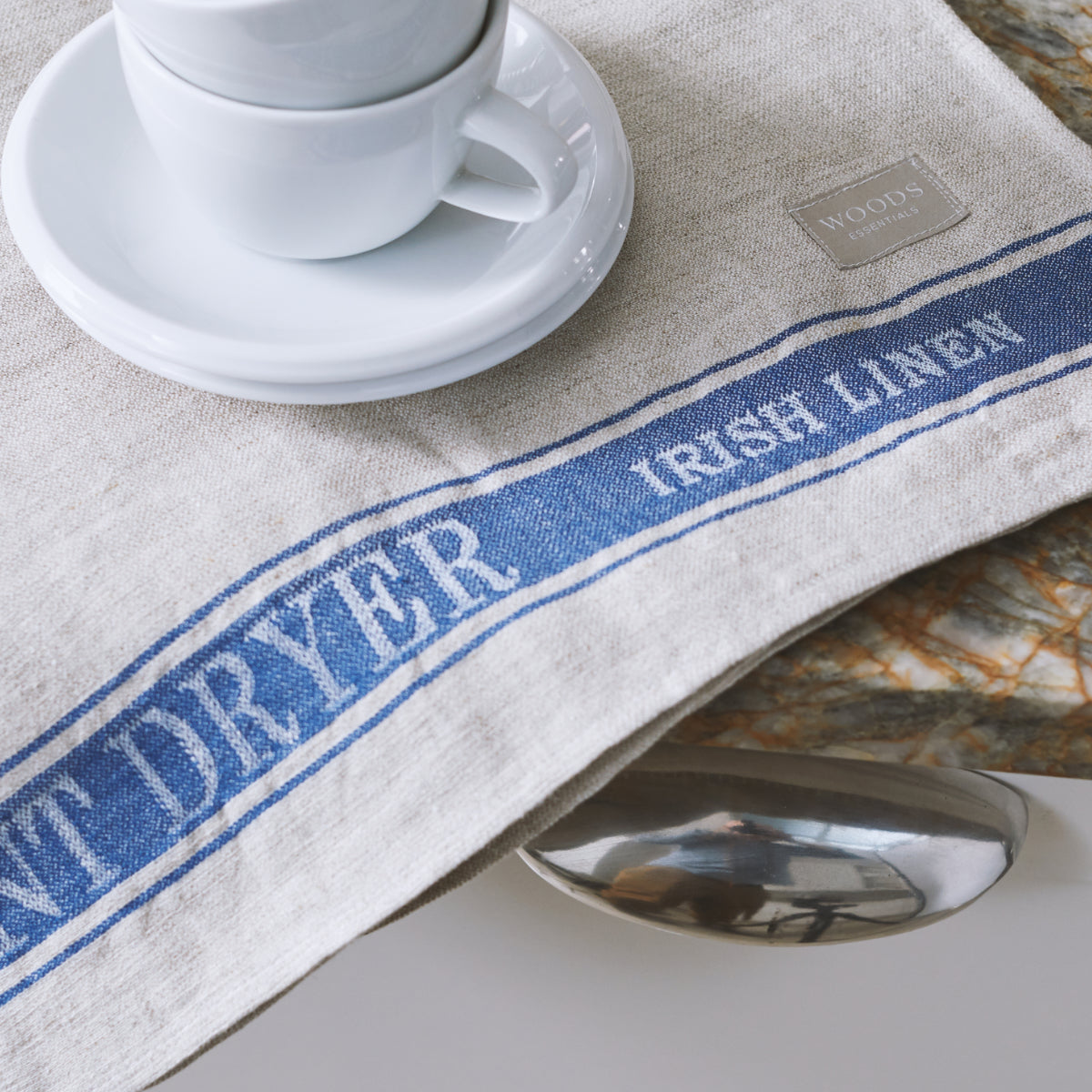
Knowing how to set a table properly is one of those skills that feels slightly old-fashioned until the moment you actually need it. A dinner party, a family celebration, Christmas lunch, or simply wanting to make a Tuesday evening feel a little more intentional. When the table is set well, everything that follows feels elevated. Begin with pieces from our luxury table linen collection, including tablecloths, runners, napkins and placemats chosen to bring structure and refinement to the setting.
The good news is that table setting is not complicated. There is a logic to where everything goes, and once you understand the reasoning behind the placement, it becomes second nature. This guide covers everything from a simple everyday layout to a formal multi-course setting, with practical tips on napkin folding, glassware positioning, and making the most of your table linen.
How to set a table, step by step
- Lay the placemat or charger, then centre the dinner plate.
- Forks left; knife (blade in) and spoon right.
- Arrange cutlery outside-in, matching the course order.
- Side plate upper left; glasses upper right above the knife.
- Napkin on the plate or left of the forks.
The Foundation: Your Tablecloth
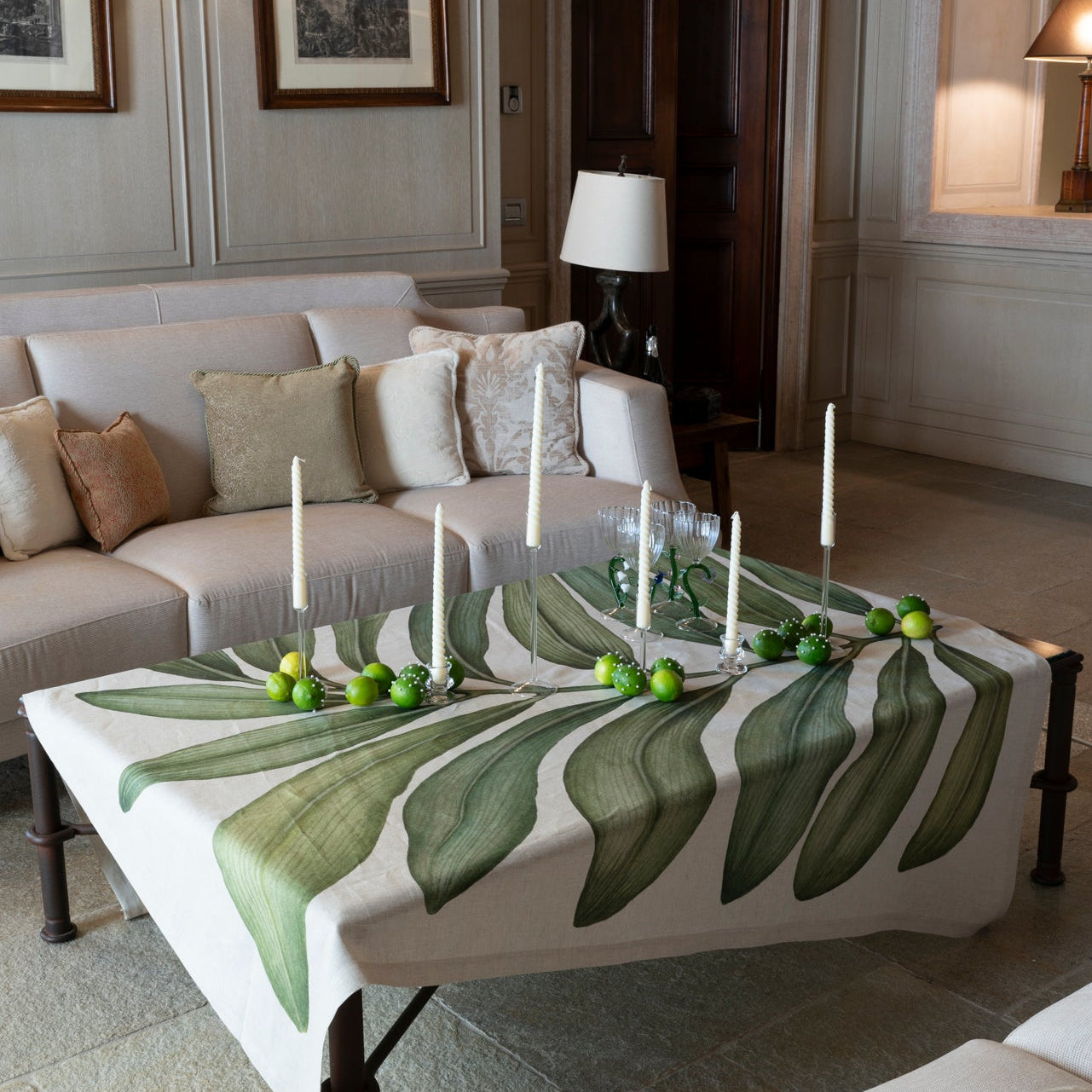
Every well-set table starts with the cloth. A quality tablecloth provides the backdrop for everything else and immediately signals that this meal is worth sitting down for, and the foundation of any formal setting is a well chosen tablecloth, with our tablecloth collection covering both traditional and contemporary options.
For everyday meals, the cloth should hang roughly 20 to 25 centimetres over the edge of the table. For more formal occasions, a longer drop of 30 to 38 centimetres creates a more dramatic effect. The cloth should be freshly pressed, ideally ironed while still slightly damp for the crispest finish.
If you are using placemats instead of or alongside a tablecloth, position them so that the bottom edge sits roughly 2.5 centimetres from the table edge, centred in front of each chair.
The Casual Everyday Setting
Forks go to the left of the plate, knives and spoons to the right, and the glass sits above the knife. That is the entire foundation.
This is the layout for family dinners, weeknight suppers, and relaxed entertaining. It covers a single course with minimal fuss.
The plate sits in the centre of the place setting, about 2.5 centimetres from the table edge.
The fork goes to the left of the plate. If you are serving salad alongside the main course, the salad fork sits to the left of the dinner fork.
The knife goes to the right of the plate, blade facing inward toward the plate. This is important. The blade always faces in.
The spoon, if needed, sits to the right of the knife.
The napkin can be placed on the plate, tucked under the fork, or folded beside the plate on the left. For an everyday setting, simplicity works best.
The glass goes above the knife, slightly to the right.
That is all you need for a casual meal. The principle is straightforward: forks left, knives and spoons right, glass above the knife.

The Informal Dinner Party Setting
When you are entertaining friends or hosting a weekend dinner, stepping up from the everyday layout adds polish without feeling stuffy.
Start with the casual setting above, then add:
A side plate to the upper left of the forks. This is for bread. A butter knife can be placed across the top of the side plate, blade facing down and to the left.
A dessert spoon and fork above the plate, placed horizontally. The spoon sits above with its handle pointing right, and the fork below it with its handle pointing left. This saves space and signals that dessert is coming without cluttering the sides.
A second glass for water, positioned above and slightly to the left of the wine glass. The convention is water glass to the left, wine glass to the right, both above the knife.
A table runner down the centre of the table works beautifully at this level of formality, adding colour and texture without the commitment of a full tablecloth.
The Formal Table Setting
For a formal dinner, arrange cutlery so you work from the outside in as each course is served, with a charger plate anchoring the centre and glassware in a diagonal above the knives.
The table setting follows strict conventions that have evolved over centuries. Here is the full breakdown.
The charger plate (or service plate) anchors the setting. It remains on the table through the first courses and is removed before the main course.
Forks are arranged to the left of the plate, working inward in the order they will be used. From the outside in, a typical formal arrangement is: fish fork, dinner fork. If a salad course precedes the main, the salad fork goes outermost.
Knives and spoons mirror this on the right side, again working outside in. A typical arrangement from outside in: soup spoon, fish knife, dinner knife. All blades face inward.
The dessert setting sits horizontally above the plate, as described in the dinner party layout.
The bread plate and butter knife sit to the upper left.
Glassware is arranged in a diagonal or triangle above the knives, typically from left to right: water glass, red wine glass, white wine glass. The white wine glass sits furthest right because it will be used first (with the earlier courses) and removed.
The napkin should be folded and placed on the charger plate or to the left of the forks. For formal occasions, more elaborate napkin folds make a real impression.
Once the places are set, our table accessories and trays add the final layer that makes the table feel considered.

How to Fold Napkins for Dinner
A well-folded napkin transforms a table setting. Here are three options that work across different levels of formality.
The classic rectangle. Fold the napkin in half, then in half again to create a neat rectangle. Place it to the left of the forks or on the plate. This is the simplest fold and works for everything from family dinners to formal occasions. It lets beautiful linen speak for itself.
The pocket fold. Fold the napkin into quarters. Take the top layer and fold it diagonally down toward you. Flip the napkin over and fold both sides into the centre to create a pocket shape. This is ideal for sliding cutlery inside, which looks smart and saves table space. Place it in the centre of the setting.
The standing fan. Fold the napkin in half lengthwise. Starting from one short end, create concertina folds (accordion-style) across roughly two-thirds of the length. Fold the whole piece in half with the folds on the outside. Fold the unpleated section diagonally to create a stand, then release the fan and set it upright on the plate. This is the most dramatic option and works particularly well for dinner parties where you want a centrepiece effect at each place setting.
Whichever fold you choose, our luxury napkins collection offers quality linen napkins that hold their shape far better than cotton-polyester blends. A heavier, crisper napkin will stand, fold and drape exactly where you put it.
Spacing and Symmetry
The visual impact of a table setting comes from consistency. A few principles to keep in mind:
Each place setting should occupy roughly 60 centimetres of table width, giving diners comfortable elbow room. Centre each setting opposite or between the settings on the other side of the table.
All cutlery should be aligned at the base, sitting about 2.5 centimetres from the table edge. This creates a clean horizontal line that anchors the whole arrangement.
Centrepieces, candles, or flowers should sit low enough that guests can see each other across the table. Nothing kills conversation faster than a towering floral arrangement.
Choosing Your Table Linen
The linen you choose sets the mood before a single plate is laid. For guidance on selecting the right fabrics, weights, and colours for your table, our guides on how to choose fine table linens and how to dress your dining table cover everything from everyday to occasion dining.
White and ivory are the safest choices for formal entertaining and the most versatile across seasons. For more relaxed settings, coloured or patterned cloths bring personality and warmth.
Whatever level of formality you are setting, the quality of the linen itself makes the biggest difference. We have been helping customers dress their tables from our shop in Harrogate for over a century, and if there is one thing we have learned, it is that a beautifully woven tablecloth with well-matched napkins and placemats does more for the atmosphere than any amount of elaborate folding or expensive centrepieces.

A Quick Reference
Everyday: Fork left, knife right (blade in), glass above knife, napkin on plate or left.
Dinner party: Add side plate with butter knife, dessert spoon and fork above the plate, water and wine glasses.
Formal: Work outside in for cutlery. Charger plate. Glassware in a diagonal. Napkin on the charger or to the left. Everything aligned, symmetrical, and intentional.
The rest is just confidence. Once you have laid a table properly a few times, it becomes instinctive. And the compliments from your guests become a very pleasant side effect. We share entertaining ideas, new table linen previews, and occasional notes from our Harrogate shop through the Heritage Partnership, and you are warmly welcome to join.
Frequently Asked Questions
Which side does the fork go on?
The fork always goes to the left of the plate. If you are using more than one fork, they are arranged so that you work from the outside in as each course is served. The dinner fork sits closest to the plate, with any additional forks placed to its left.
Where do wine glasses go on a table setting?
Wine glasses sit above and to the right of the knife. If you are setting both water and wine glasses, the water glass goes above the knife and the wine glass sits to its right and slightly forward. For formal settings with multiple wines, arrange them in a diagonal from upper left to lower right, with the glass for the first course furthest right.
How much space should each place setting take?
Allow roughly 60 centimetres of table width per place setting. This gives each diner comfortable elbow room and enough space for cutlery, glassware and a side plate without feeling cramped.
Do you need a tablecloth for a formal dinner?
A tablecloth is traditional for formal dining and sets the tone for the entire table. For a formal setting, choose a white or ivory cloth with a drop of 30 to 38 centimetres over each edge. For less formal entertaining, a table runner with placemats works beautifully and still looks considered.
How do you fold a napkin into a pocket for cutlery?
Fold the napkin into quarters. Take the top layer and fold it diagonally down toward you. Flip the napkin over and fold both sides into the centre to create a pocket shape. Slide the cutlery inside and place it in the centre of the setting. This works best with a crisp linen napkin that holds its shape.